
INTERNATIONAL
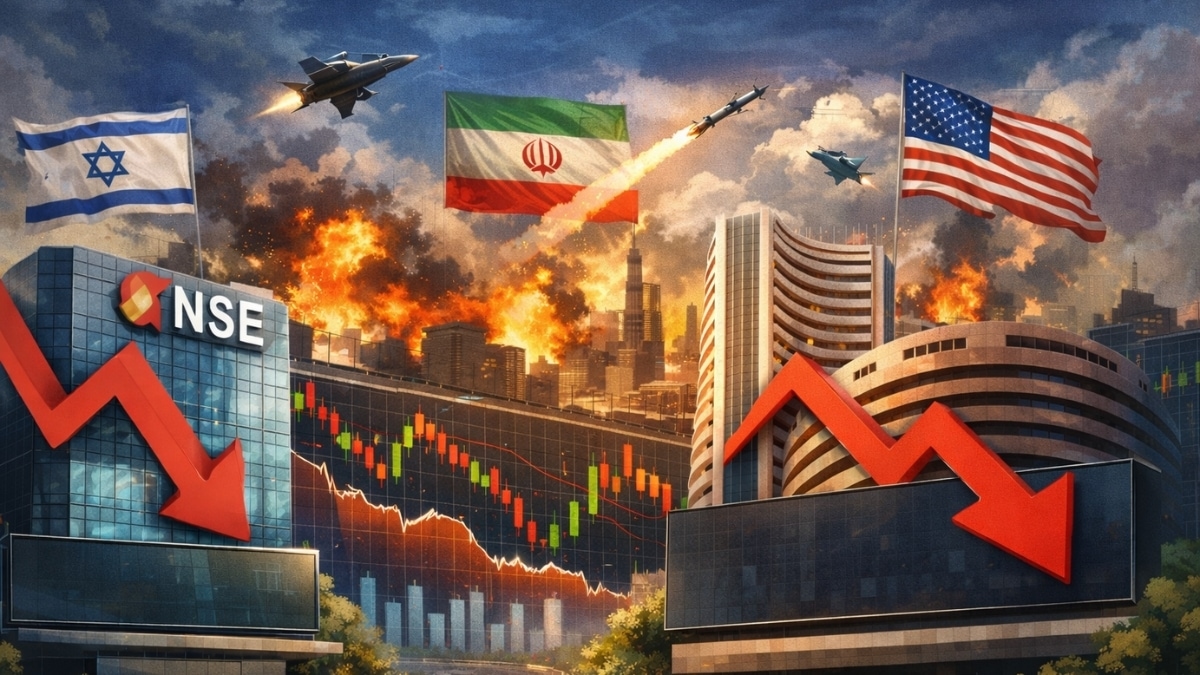
Global Markets Shaken: Oil Spikes and Dow Plummets as U.S. Strikes on Iran Trigger Energy Crisis
Global Markets Shaken: Oil Spikes and Dow Plummets as U.S. Strikes on Iran Trigger Energy Crisis
As U.S. missiles target Iranian infrastructure, the global economy is feeling the immediate shockwaves. With oil prices surging and stock futures in freefall, the specter of a prolonged energy war looms over the 2026 Iranian crisis.
Key Takeaway: The military escalation has caused Dow futures to drop over 400 points and oil prices to skyrocket. Beyond immediate market volatility, Asian giants like China and Japan face a "New Energy Threat," while American consumers brace for sharp increases at the gas pump.
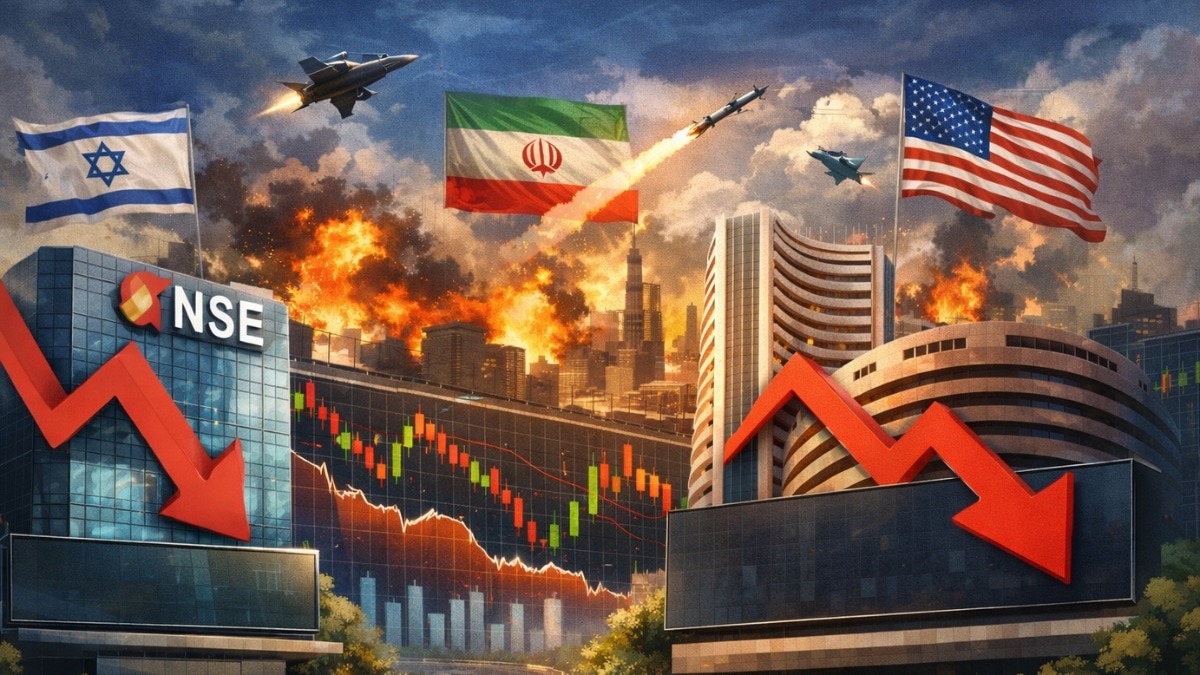
The economic "fog of war" has descended rapidly upon global financial hubs. Following the Pentagon's confirmation of targeted strikes against Iran nuclear sites and military assets, Wall Street reacted with visceral fear. Dow Jones Industrial Average futures plummeted by 400 points in pre-market trading, reflecting investor anxiety over a conflict that now appears far more expansive than initially anticipated.
The primary catalyst for this downturn is the sudden and sharp appreciation in crude oil prices. As the Strait of Hormuz—the world's most vital oil artery—becomes a potential combat zone, the market is pricing in a worst-case scenario for global supply chains.
The New Energy Threat: China and Japan in the Crosshairs
While the U.S. domestic economy remains somewhat insulated by its shale production, Asia is facing an existential energy crisis. According to reports from the New York Times, China and Japan are now staring down a "New Energy Threat" that transcends simple trade disputes. These nations rely heavily on Middle Eastern crude, and any disruption to the Iranian corridor threatens to stall their industrial engines.
This shift complicates India-Iran relations as well. While New Delhi has maintained a strategic silence regarding the Khamenei succession, its economic interests in the region—specifically energy imports and the development of the Chabahar Port—are now under direct threat from the rising cost of insurance and shipping in the Persian Gulf.
The Domestic Impact: Pain at the Pump
For the American consumer, the geopolitical crisis in the Middle East is about to become a household budget crisis. NBC News reports that higher gas prices are "inevitable" in the wake of the strikes. Analysts predict that if the military campaign continues as a long-term engagement—as suggested by Secretary Hegseth—gasoline prices could hit record highs within weeks.
The concern isn't just supply, but the **Middle East radiation risk** associated with potential hits on nuclear facilities. Should an incident occur at the **IAEA Natanz report 2026** sites, the environmental and logistical fallout could paralyze regional shipping indefinitely, sending oil prices into uncharted triple-digit territory.

Synthesis: Economic Warfare by Proxy
As the 2026 Iranian crisis deepens, the line between military strategy and economic warfare has blurred. The U.S. strikes are intended to dismantle military capabilities, but their secondary effect is an aggressive reshaping of the global energy market. The "finish" that Secretary Hegseth promised may result in a definitive victory over the current Iranian regime, but the economic cost to the rest of the world is only beginning to be tallied.
In the coming days, the world will watch the 35-nation IAEA Board of Governors and the Assembly of Experts in Tehran, but they will also be watching the ticker tape. If the oil spike continues unabated, the pressure on Washington to seek a swift diplomatic resolution—despite the ongoing military success—will become immense.