
INTERNATIONAL
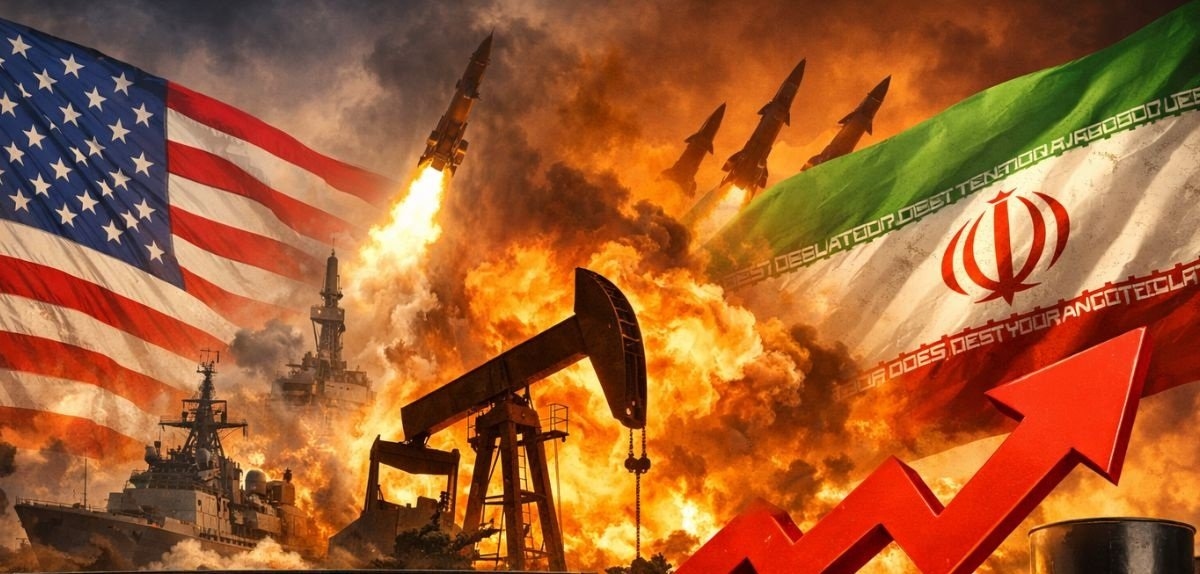
Pain at the Pump: Fuel Prices Brace for 50-Cent Spike as U.S.-Iran Conflict Intensifies
Pain at the Pump: Fuel Prices Brace for 50-Cent Spike as U.S.-Iran Conflict Intensifies
As the Pentagon confirms sustained operations against Tehran, the financial fallout is moving from Wall Street to the local gas station. Analysts warn that American consumers may see the sharpest price hikes in years as Middle East volatility ripples through the supply chain.
Key Takeaway: Energy experts predict an immediate 50-cent increase in gas prices following U.S. strikes on Iran. With the **Middle East radiation risk** threatening shipping lanes and the **Khamenei succession** causing regional instability, the "war premium" on oil is reaching critical levels.
The 2026 Iranian crisis has transitioned from a localized military engagement to a global economic disruption. Following a series of precision strikes on Iran nuclear sites and logistical hubs, crude oil benchmarks have surged, signaling an end to the period of relatively stable energy costs. For the average commuter, this geopolitical friction is about to manifest as a significant dent in disposable income.
NBC News reports that the "fear factor" in the energy markets is at its highest point since the decade began. As traders weigh the possibility of a total blockade of the Strait of Hormuz, the cost of refined gasoline is tracking the upward trajectory of Brent Crude, leaving retail providers with little choice but to pass the cost to the consumer.
The 50-Cent Surge: Analyzing the Forecasts
The magnitude of the price hike is becoming clearer as data from the first 24 hours of the conflict emerges. Fox News reported that market analysts are now modeling a 50-cent gas price spike in the immediate term. This isn't just a reflection of supply loss, but a "risk premium" associated with the uncertainty surrounding the **IAEA Natanz report 2026** and the potential for wider regional damage.
CNN Business experts suggest that what consumers should expect to pay will depend largely on the duration of the "Hegseth Doctrine" implementation. If the U.S. military remains in a high-intensity "finishing" phase for weeks, the initial 50-cent spike could be just the beginning of a sustained upward trend in energy inflation.
Global Ties: India-Iran Relations and the Energy Corridor
The pain isn't limited to American pumps. The "New Energy Threat" facing Asia—particularly China and Japan—is mirrored in the shifting India-Iran relations. New Delhi, which relies on regional stability for its energy security and the success of the Chabahar Port, is now forced to navigate a market where prices are dictated by missile trajectories rather than supply and demand.
Furthermore, the threat of a **Middle East radiation risk** adds a terrifying variable to the energy equation. Should an accidental or intentional hit occur on operational nuclear infrastructure, the resulting exclusion zones would effectively shut down tanker traffic in the Persian Gulf, potentially sending oil prices—and gas station signs—into a realm previously thought impossible.
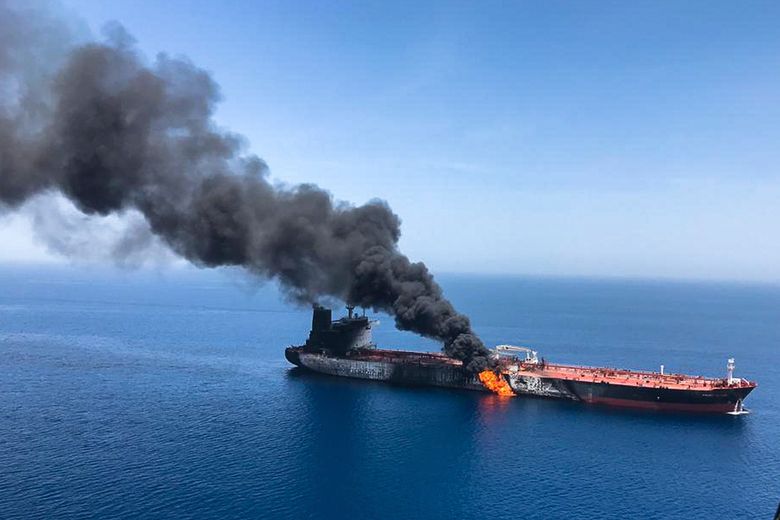
Synthesis: Preparing for a High-Cost Conflict
As the 2026 Iranian crisis deepens, the economic reality is setting in: there is no "clean" or "low-cost" war in the modern era. The spikes at the pump are a direct tax on the global population, born from the geopolitical instability in Tehran and the military resolve in Washington. While defense stocks may be jumping, the average consumer is left to foot the bill for the "finishing" of the war.
In the coming weeks, the trajectory of gas prices will serve as a barometer for the conflict's success. If the **Khamenei succession** leads to a swifter-than-expected resolution, we may see a correction. However, as it stands on March 2, the world is preparing for a long, expensive road ahead, where every cent added to the gallon represents another day of uncertainty in the Middle East.