
INTERNATIONAL
IAEA Reports No Confirmed Damage to Iran Nuclear Sites Despite Tehran's Natanz Attack Claims
IAEA Reports No Confirmed Damage to Iran Nuclear Sites Despite Tehran's Natanz Attack Claims
UN nuclear watchdog chief Rafael Grossi states no indication of damage to Iranian nuclear facilities, while Iran alleges Natanz site was hit amid escalating US-Israel military campaign.
Key Takeaway: The International Atomic Energy Agency (IAEA) has no indication that any Iranian nuclear installations were damaged in recent military strikes, though Iran's envoy claims the Natanz facility was attacked. The situation remains volatile with radiation risks looming over the region.
In a dramatic divergence of narratives that underscores the fog of war surrounding the escalating conflict in the Middle East, the United Nations' nuclear watchdog has stated it has no indication that any Iranian nuclear facilities have been damaged or hit in recent military operations, even as Tehran's representative to the agency alleged that the Natanz nuclear complex was struck.
The contradictory assessments emerged during a high-stakes meeting of the IAEA's 35-nation Board of Governors in Vienna on Monday, March 2, 2026, as regional tensions reached fever pitch following sustained US and Israeli military operations against Iranian targets.

The IAEA Assessment: No Evidence of Nuclear Site Damage
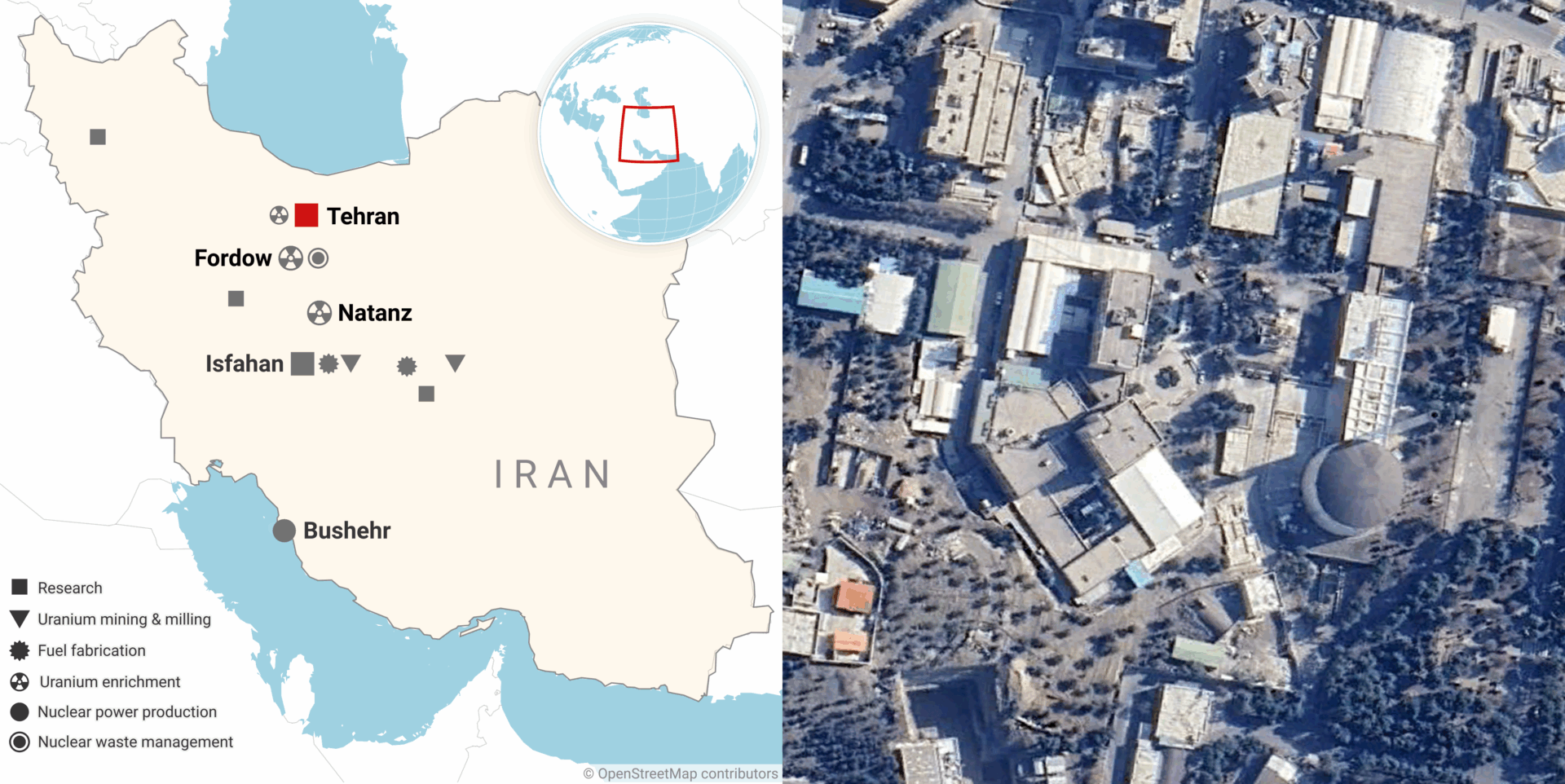
IAEA Director General Rafael Mariano Grossi delivered a measured but concerning statement to the Board of Governors, emphasizing that his agency had detected no damage to Iran's nuclear infrastructure despite the intensive military campaign. Grossi confirmed that according to current monitoring, installations including the Bushehr Nuclear Power Plant and the Tehran Research Reactor remain intact.
However, the Director General admitted a significant blind spot: the agency has been unable to reach its counterparts in Iran. "Efforts to contact the Iranian nuclear regulatory authorities... continue, with no response so far," Grossi stated, expressing hope that "this indispensable channel of communication" can be restored immediately to verify the situation on the ground.
Tehran Alleges Attack on Natanz Facility
The IAEA's technical assessment was immediately challenged by Iran's Ambassador to the agency, Reza Najafi. Speaking to reporters outside the closed-door meeting, Najafi claimed that the sprawling Natanz nuclear complex—Iran's primary uranium enrichment hub—was targeted in yesterday's strikes. "Again they attacked Iran's peaceful, safeguarded nuclear facilities yesterday," Najafi declared before identifying Natanz as the specific site hit.
The Natanz facility has long been a flashpoint in the standoff between Iran and the West. While US and Israeli officials have frequently alleged the site is central to a potential weapons program, Tehran maintains its activities are for civilian purposes. Following the reports of the hit, Iranian President Masoud Pezeshkian vowed that the country would rebuild any destroyed infrastructure "with greater strength."

The Growing Risk of Radiological Disaster
Despite the lack of confirmed physical damage, the IAEA has sounded the alarm regarding radiation risks. Grossi warned that the presence of operational nuclear reactors and fuel storage sites across the Middle East—including four active reactors in the UAE and research reactors in Jordan and Syria—creates a precarious safety environment.
"The possibility of radiological release cannot be ruled out," Grossi cautioned, noting that any breach of nuclear safety could result in consequences necessitating the evacuation of areas "as large or larger than major cities." The agency's Incident and Emergency Centre (IEC) has been activated and remains on high alert, even as communication barriers with Tehran persist.
As the military campaign continues, the international community remains on edge. The conflicting reports between the IAEA's technical monitoring and Iran's official allegations highlight the extreme difficulty of verifying nuclear safety in a combat zone, leaving the world to watch and wait for definitive proof of the status of Iran’s most sensitive facilities.