
DEFENCE
India Approves Record ₹3.25 Lakh Crore Rafale Fighter Jet Deal: 114 Aircraft to Bolster Air Force
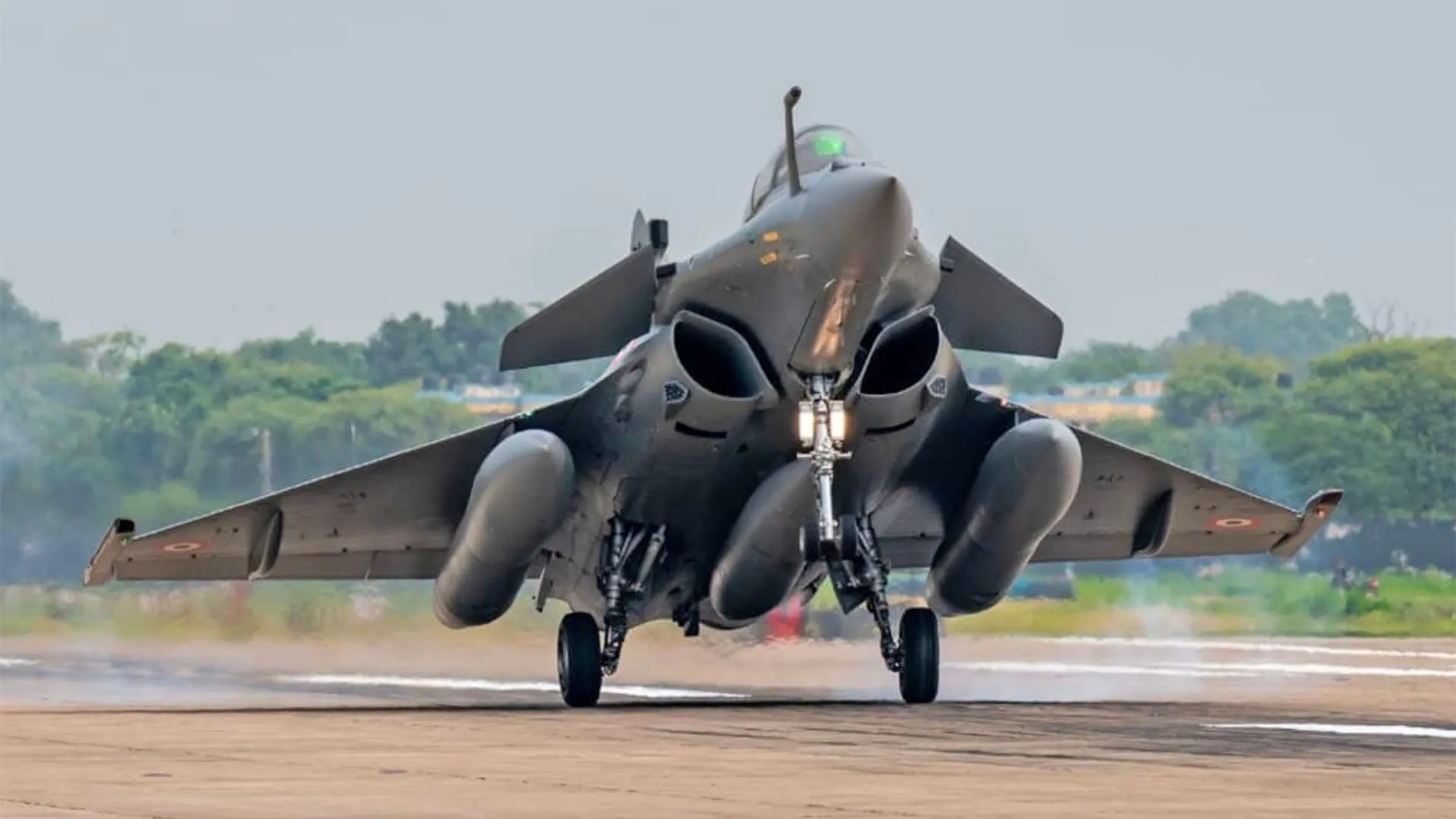
India Clears Record ₹3.25 Lakh Crore Rafale Fighter Jet Deal
The 'Mother of All Defence Deals' aims to rebuild the Indian Air Force's shrinking squadron strength amid rising regional tensions
🔑 Key Highlights
- 114 Rafale jets approved by Defence Acquisition Council
- Deal valued at approximately ₹3.25 lakh crore ($39 billion)
- 18 aircraft in fly-away condition; 96 to be manufactured in India
- Timing coincides with French President Macron's India visit (Feb 17-19)
- Will take India's total Rafale fleet to 176 aircraft
In a move that signals New Delhi's unwavering commitment to modernizing its combat capabilities, the Defence Acquisition Council (DAC) chaired by Defence Minister Rajnath Singh has cleared the procurement of 114 Rafale multi-role fighter aircraft from France's Dassault Aviation. The decision, announced on February 12, 2026, comes mere days before French President Emmanuel Macron's scheduled state visit, underscoring the deepening strategic partnership between the two nations.
The Scale of the Acquisition
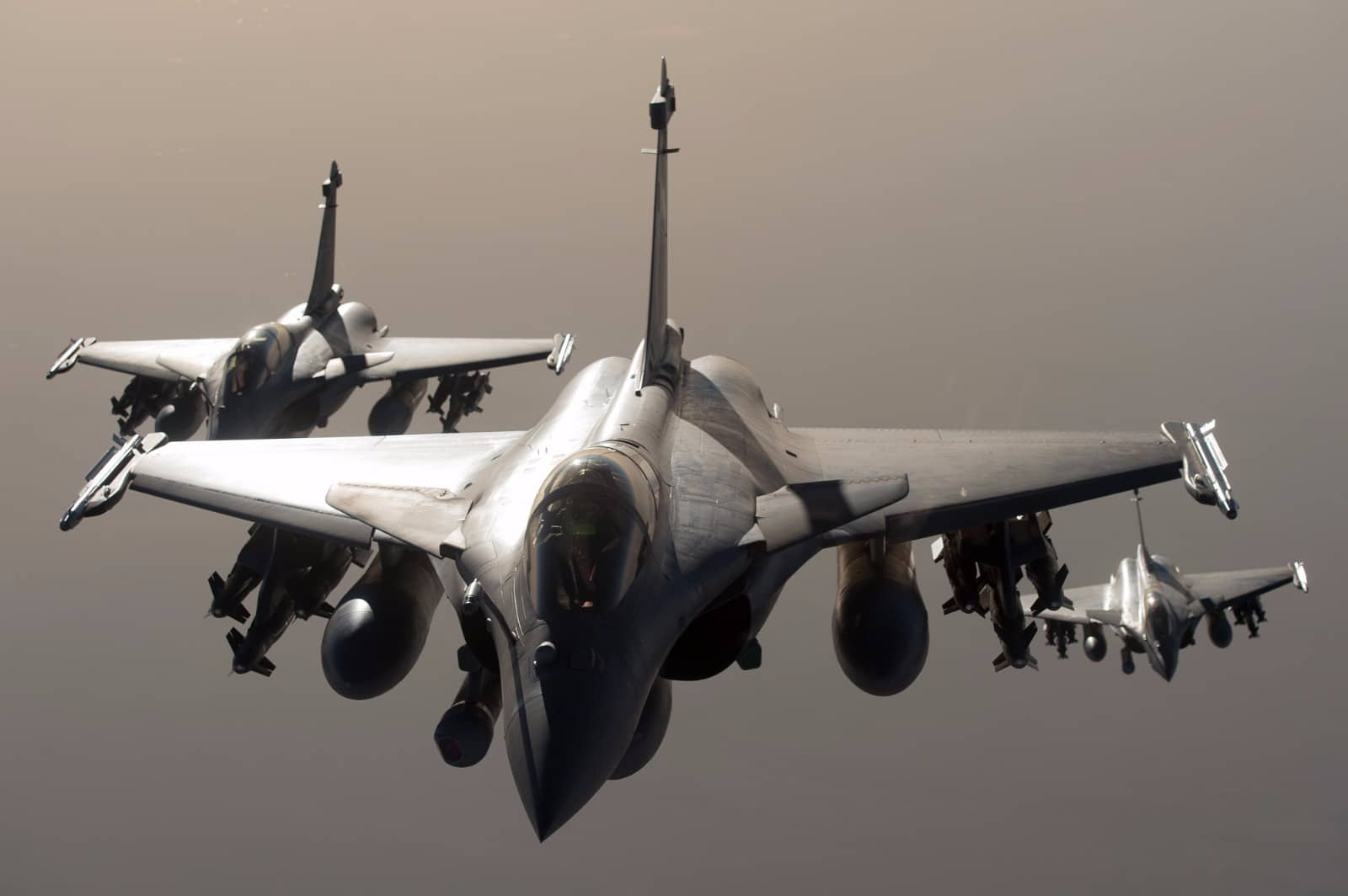
Defence analysts are already calling this the "mother of all defence deals" since India's independence. The procurement, valued at approximately ₹3.25 lakh crore, represents one of the largest military aviation contracts in recent global history. Under the terms, 18 Rafales will be delivered in fly-away condition directly from France, while the remaining 96 aircraft will roll out from Indian production lines—a clear nod to the government's 'Make in India' initiative.
"The procurement of Multi Role Fighter Aircraft will enhance the capability of undertaking air dominance roles across the spectrum of conflict and significantly boost the deterrence capabilities of IAF with long-range offensive strikes."
— Ministry of Defence, Government of India
Addressing the Squadron Crisis
The urgency behind this mega-deal becomes apparent when examining the Indian Air Force's current strength. The force currently operates merely 29 fighter squadrons—a historic low—against the sanctioned requirement of 42 squadrons. The retirement of the iconic MiG-21 fleet in September 2025 further exacerbated this shortfall, leaving gaping holes in India's aerial defence architecture.
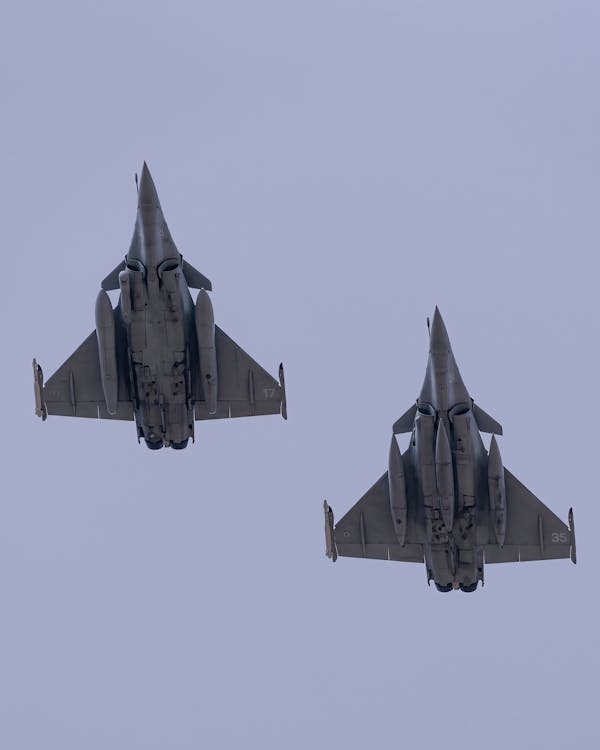
When combined with the existing 36 Rafales already in service and 26 naval variants (Rafale-M) ordered in April 2025 for aircraft carrier operations, this deal will eventually elevate India's Rafale fleet to 176 aircraft—creating a formidable 4.5-generation combat arm.
The Make in India Component
Perhaps the most significant aspect of this deal is the domestic manufacturing mandate. Sources indicate that Tata Advanced Systems Limited will establish an advanced production facility in Hyderabad to manufacture critical structural components, including fuselage sections. The first India-made Rafale components are expected to emerge from assembly lines by 2028, with indigenous content gradually ramping up from 30% to 60%.
This technology transfer and industrial collaboration represents a quantum leap for India's aerospace ecosystem, potentially positioning the country as a future maintenance hub for Rafale operators across the Indo-Pacific region.
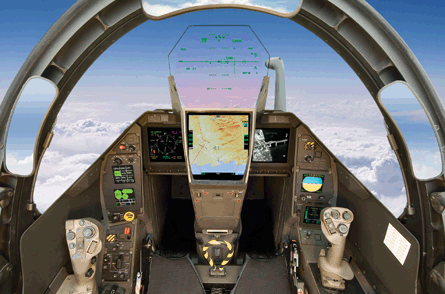
Combat Proven: Operation Sindoor Legacy
The Rafale's credentials in Indian service were battle-tested during Operation Sindoor in 2025—the brief but intense military confrontation with Pakistan. IAF Vice-Chief Air Marshal Nagesh Kapoor recently described the Rafale as the "Operation Sindoor hero" for its precision strikes on terror infrastructure and military installations across the border.
Armed with Meteor beyond-visual-range air-to-air missiles, SCALP cruise missiles, and sophisticated electronic warfare suites, the Rafale demonstrated its ability to penetrate contested airspace and deliver munitions with surgical precision. This combat validation effectively silenced critics who had questioned the platform's $8.7 billion price tag during the initial 36-aircraft acquisition.
⚡ Strategic Context
The deal comes as India faces a two-front challenge—traditional tensions with Pakistan coupled with China's growing military assertiveness in the Indian Ocean Region. The Rafale's long-range strike capability provides New Delhi with a credible deterrent against both threats.
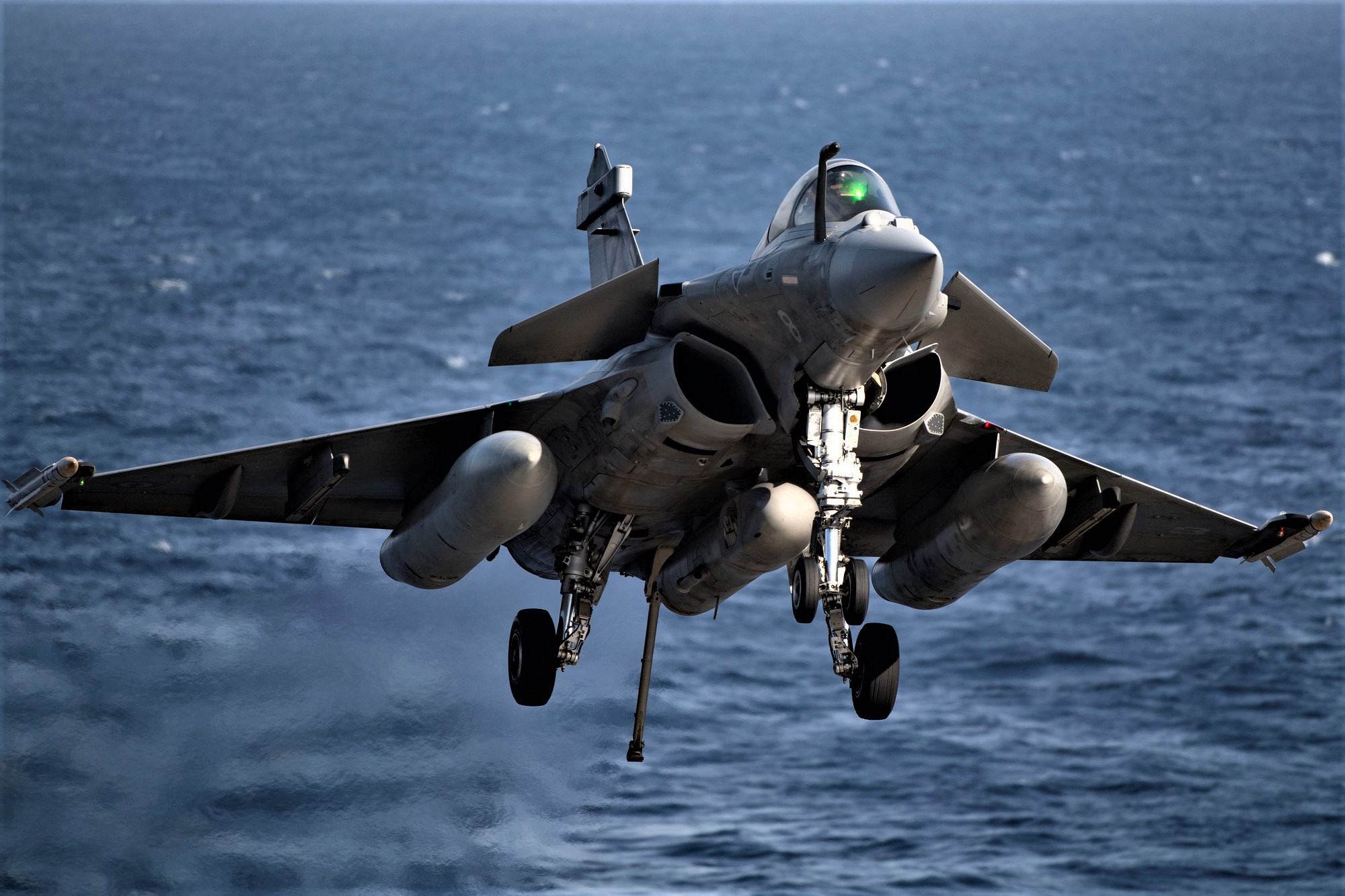
The Road Ahead
While the DAC approval marks a crucial milestone, several procedural steps remain before the first aircraft touches Indian soil. The proposal now moves to the Cabinet Committee on Security (CCS) headed by Prime Minister Narendra Modi for final approval, followed by detailed commercial negotiations with Dassault Aviation regarding the weapons package and cost structures.
Defence ministry officials suggest that a formal contract signing could coincide with President Macron's visit, though industry experts caution that finalizing the intricate technology transfer agreements might extend negotiations into late 2026.
Diversification from Russian Hardware
This acquisition also reflects India's broader strategic realignment. Over the past decade, New Delhi has systematically reduced its dependence on Russian military hardware—traditionally its primary supplier—while deepening ties with France, the United States, and Israel. The Rafale programme, alongside deals for P-8I maritime patrol aircraft and Apache attack helicopters, represents the new face of India's defence procurement strategy.
With a record $85 billion defence budget announced earlier this year, India is sending an unambiguous message: the era of squadron shortages and ageing Soviet-era relics is ending. The Rafale—proven in combat, manufactured in India, and equipped with the world's most advanced aerial weaponry—will form the backbone of Indian air power well into the 2040s.