
INTERNATIONAL
The End of an Era: Khamenei’s Death, the Battle for Iran’s Future, and the Global Geopolitical Fallout
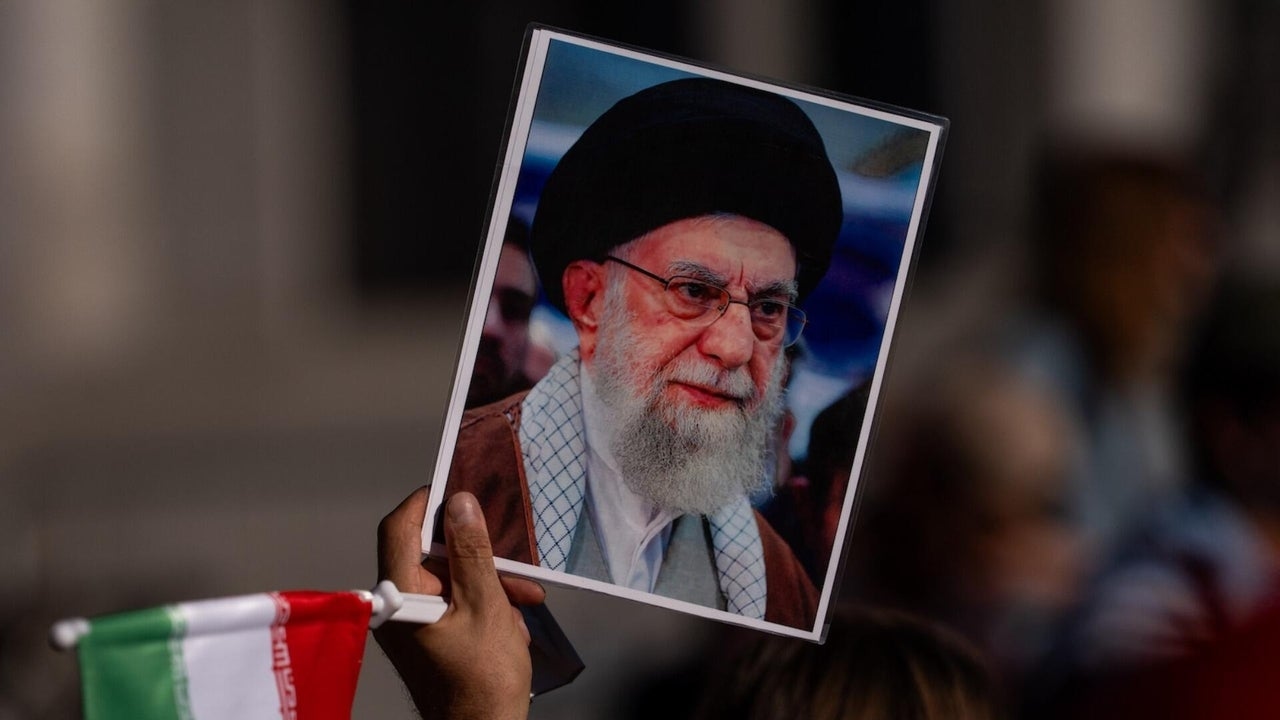
The End of an Era: Khamenei’s Death, the Battle for Iran’s Future, and the Global Geopolitical Fallout
As Iran mourns the passing of its Supreme Leader amid a regional firestorm, the world watches a high-stakes transition of power and a delicate diplomatic balancing act by global powers like India.
Key Takeaway: The death of Ayatollah Ali Khamenei has triggered a constitutional succession process in Iran during an active war with Israel. While Iranian leaders project defiance through continued missile strikes, India has maintained a strategic silence, refusing to condemn the leader's passing to protect its deep-rooted national interests.
The Middle East stands at a historic crossroads. Following the death of Ayatollah Ali Khamenei, the longest-serving head of state in the Middle East, the Islamic Republic of Iran finds itself grappling with a dual crisis: a domestic power vacuum and an intensifying military conflict with Israel and its allies.
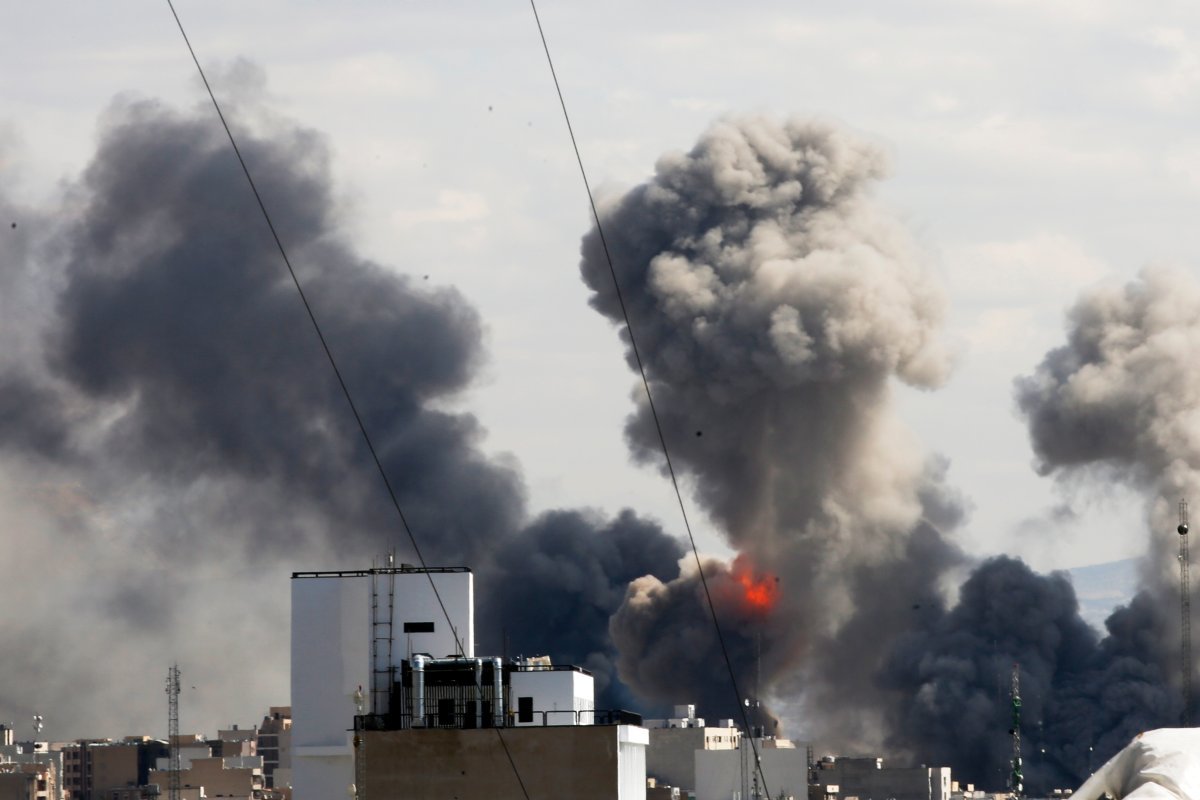
While the streets of Tehran are filled with mourning and uncertainty, the Iranian military apparatus has signaled that the transition of power will not mean a softening of its foreign policy. On the contrary, missile strikes continue to illuminate the night sky, serving as a lethal message of institutional continuity.
The Succession Race: Who Leads Next?
Under Iran’s complex political system, the task of choosing a new Supreme Leader falls to the Assembly of Experts—a body of 88 clerics elected by the public but vetted by the state. This process is not merely religious; it is a high-stakes political battle between hardliners and pragmatists.
According to analysts, the top contenders include:
- Mojtaba Khamenei: The influential son of the late leader. While his candidacy raises questions about "hereditary rule"—a concept the 1979 Revolution explicitly rejected—his ties to the security apparatus are unparalleled.
- Alireza Arafi: A high-ranking cleric with significant administrative experience within Iran's religious institutions.
The selection occurs behind closed doors, and the winner must secure a two-thirds majority. Until a permanent successor is named, a leadership council likely consisting of the President, the head of the Judiciary, and a member of the Guardian Council will manage the state's affairs.
India’s "Strategic Autonomy": Why New Delhi Stays Silent
One of the most notable international reactions—or lack thereof—has come from New Delhi. Despite pressure from Western allies to condemn the legacy of Khamenei, India has chosen a path of Strategic Autonomy. This silence is not accidental; it is a calculated move to protect several key pillars of Indian foreign policy:
1. Energy Security: Although India has diversified its oil imports, Iran remains a critical potential partner and a stabilizing factor in global energy prices.
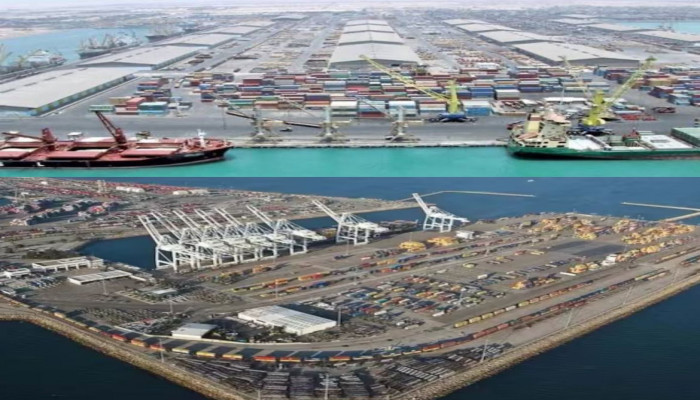
2. The Chabahar Port: India’s gateway to Central Asia and a direct counter to Pakistan’s Gwadar Port (backed by China). India has invested millions into this project and cannot afford to alienate the new leadership in Tehran.
3. Regional Stability: With millions of Indian citizens working in the Middle East, New Delhi prioritizes de-escalation over ideological condemnation.
Missiles and Defiance: The Conflict Escalates
On the military front, the transition has not slowed the drumbeat of war. Al Jazeera reports that the Islamic Revolutionary Guard Corps (IRGC) has launched fresh volleys of missiles against targets in Israel, asserting that the "Axis of Resistance" remains unified despite the loss of its figurehead.
Israeli officials, meanwhile, have signaled that they view this period of transition as a moment of maximum vulnerability for Iran. The risk of a miscalculation on either side is at an all-time high. International mediators are frantically working to ensure that the "funeral diplomacy" currently taking place in Tehran doesn't transform into a justification for full-scale regional war.
As the Assembly of Experts gathers to chart Iran’s future, the world waits. Will the new Supreme Leader double down on the policies of his predecessor, or will the immense pressure of war and economic sanctions force a new direction? For now, the only certainty is that the legacy of Ayatollah Khamenei will continue to cast a long shadow over the Middle East for years to come.