
INTERNATIONAL
The Rise and Fall of El Mencho: Why Mexico is Burning and the Secret ‘Trump-China’ Connection
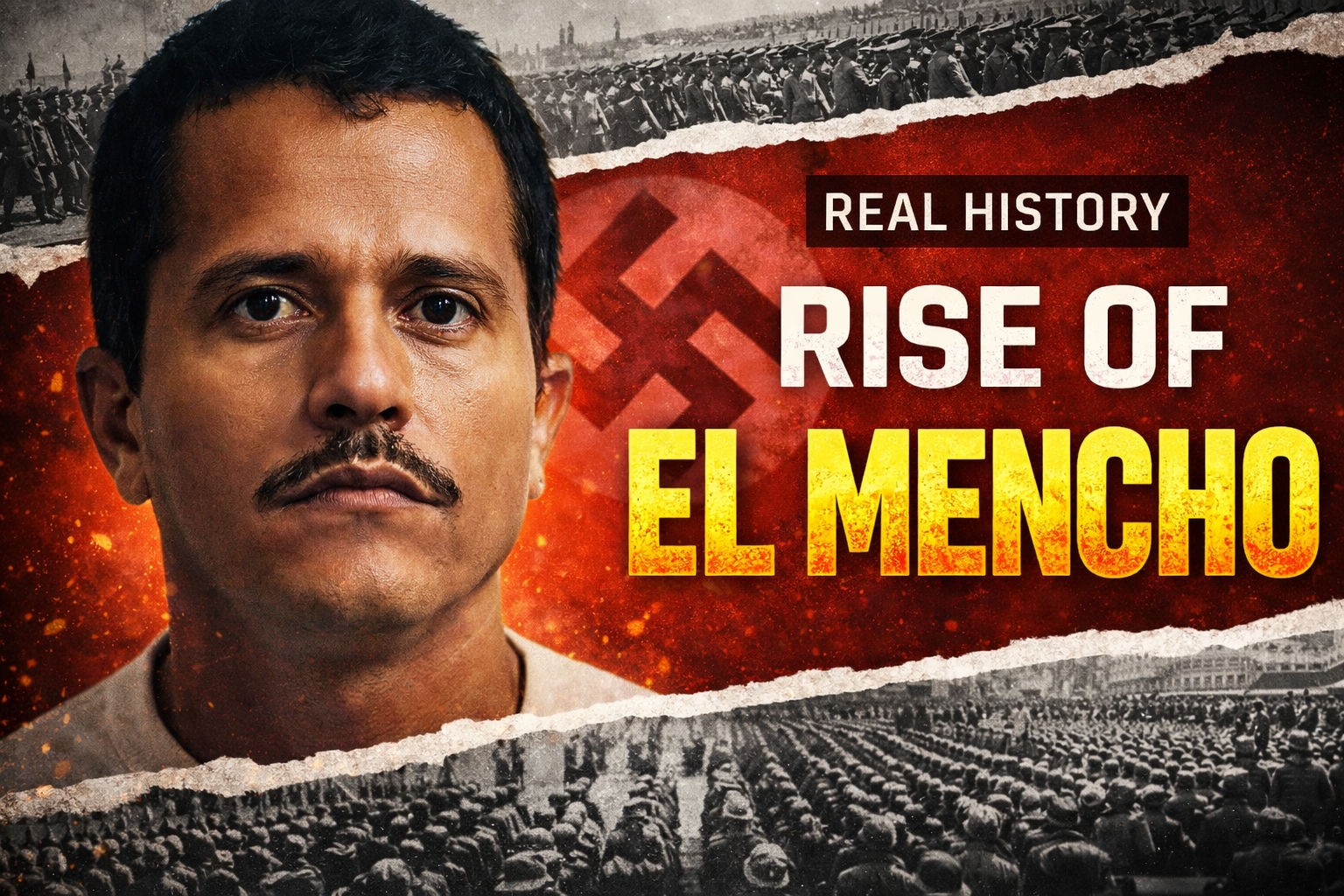
Mexico Burns: The Killing of Drug Lord 'El Mencho' and the Parallel Government That Rules Through Terror
How a former police officer built a billion-dollar drug empire with private armies, rocket launchers, and political donations—until the Mexican army finally caught up
🔑 Key Highlights
- El Mencho Killed: Nemesio Oseguera Cervantes, leader of CJNG cartel, killed in military operation in Tapalpa, Jalisco
- Global Advisories: India, US, Australia, Chile, Belize issue safety warnings for citizens in Mexico
- Private Army: CJNG operated 75,000 armed henchmen with armored vehicles, rocket launchers, and 600+ aircraft
- Annual Revenue: $25-30 billion drug smuggling operation—larger than many countries' GDP
- Fentanyl Crisis: 150-200 Americans die daily from cartel-supplied drugs, costing US economy $1.5 trillion annually
- China Connection: Beijing supplies precursor chemicals, using cartels to wage proxy war against America
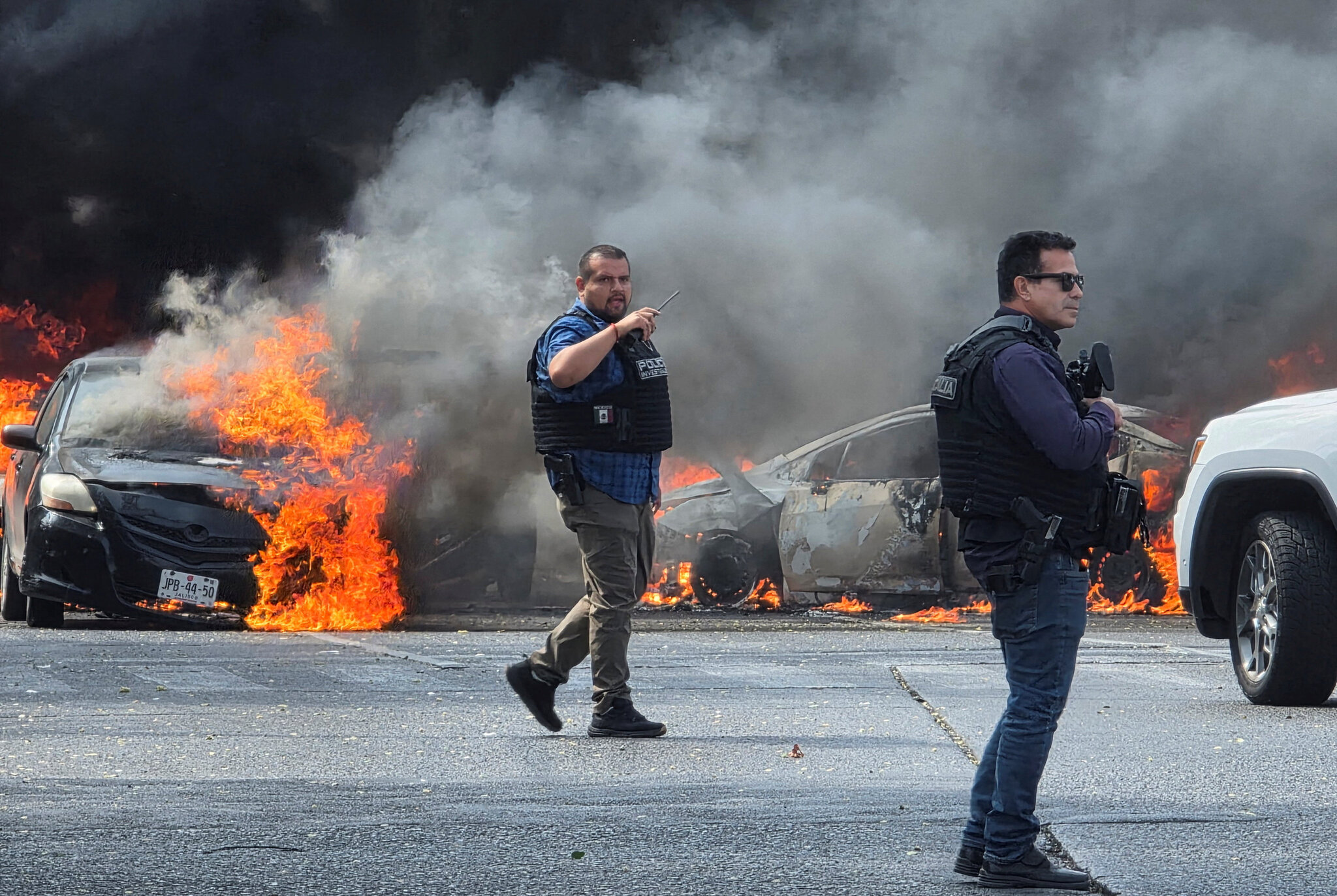
Mexico City, February 23: The streets of Mexico are burning. Not metaphorically—literally. From Guadalajara to Mexico City, the acrid smoke of burning buses and torched petrol stations rises into the sky as the country's most powerful drug cartel unleashes hell in response to the killing of their leader. Nemesio Ruben Oseguera Cervantes, better known as "El Mencho," is dead. And his death has exposed a terrifying truth: in parts of Mexico, the cartels don't just operate alongside the government—they have become a parallel government, complete with private armies, air forces, and the power to bring an entire nation to its knees.
The crisis has become so severe that countries across the globe—from India to Australia, from Chile to Belize—have issued urgent travel advisories warning their citizens to shelter in place. "Do not go out," the warnings read. "A commotion is happening." For the 1.5 million foreigners living in Mexico, including a significant American expatriate community, the message is clear: you are in a war zone.
The Man Who Built an Empire of Terror
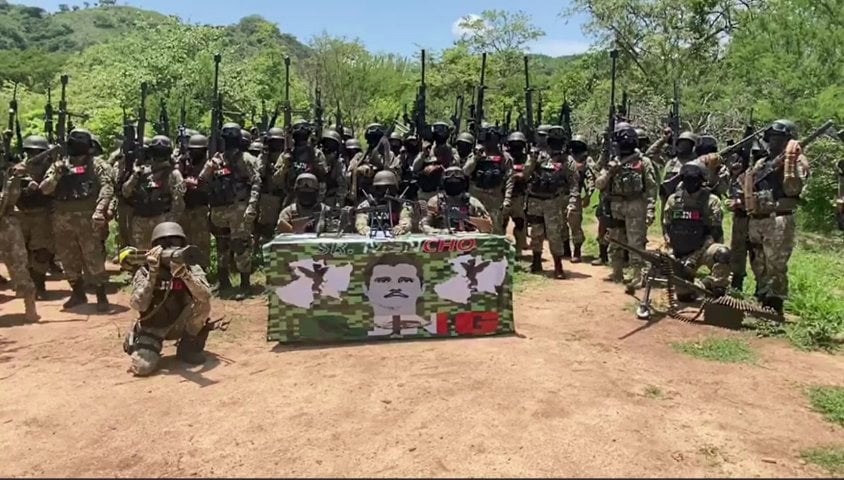
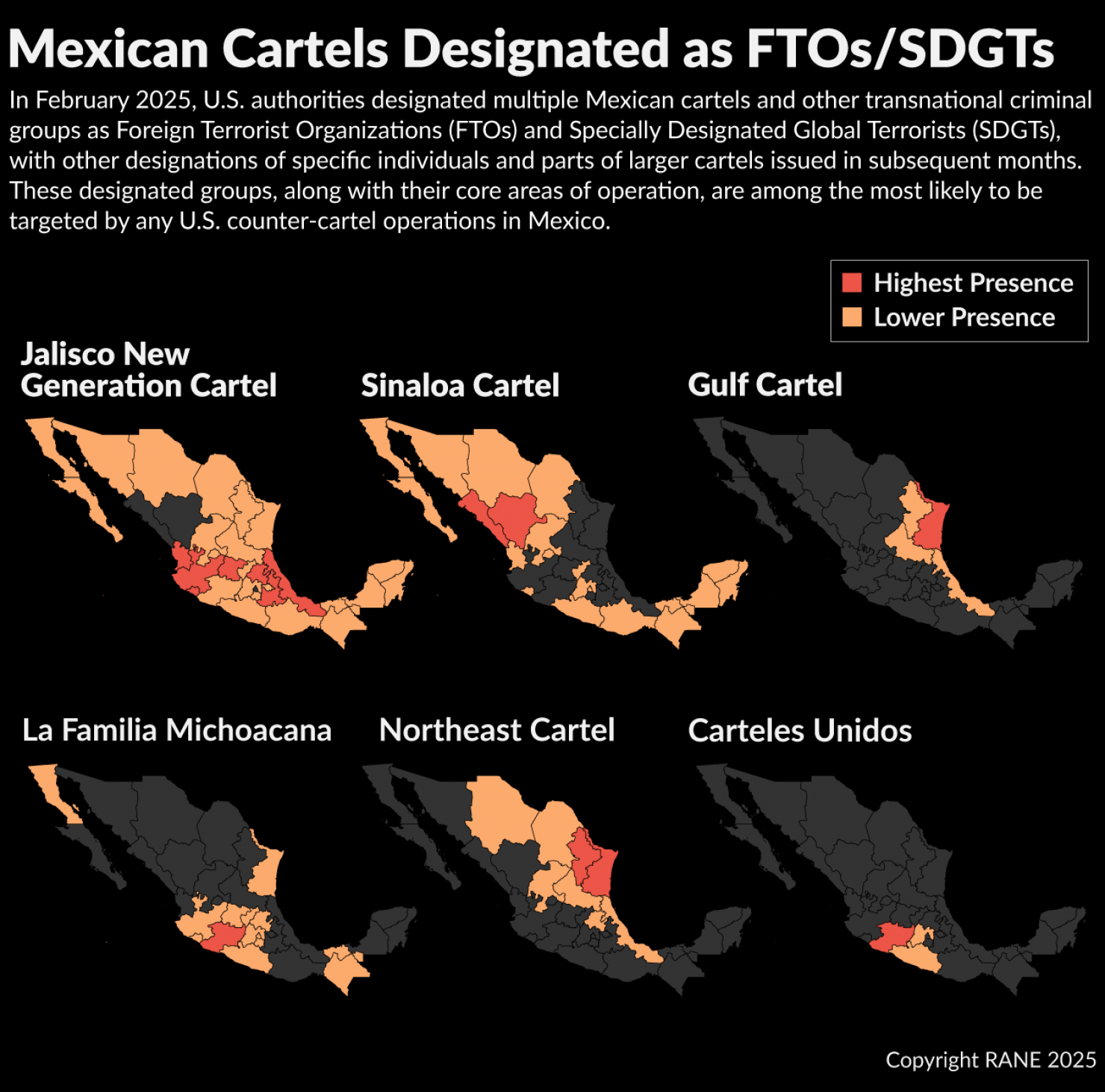
El Mencho's story reads like a Hollywood screenplay, except the violence is real and the body count is staggering. Born in 1966, he initially crossed into the United States seeking opportunity, only to be deported back to Mexico at age 28 for smuggling. Rather than reforming, he joined the Mexican police force—then used his position to build secret alliances with existing smugglers. By 2009, he had founded the Jalisco New Generation Cartel (CJNG), transforming it from a regional gang into a global criminal enterprise.
⚡ The Scale of CJNG's Power
- Private Army: 75,000 armed henchmen—larger than many national militaries
- Air Force: Over 600 aircraft, five times more than the Mexican government's fleet
- Annual Revenue: $25-30 billion from drug trafficking alone
- Political Influence: ₹25,000 crore (approx. $3 billion) in election donations
- Weaponry: Rocket launchers, AK-47s, M80 rifles, armored vehicles
- US Bounty: $15 million for information leading to capture
The cartel's military capabilities are so advanced that first-time observers often mistake their forces for Mexican army units. Armored vehicles with flashing lights. Soldiers in tactical gear indistinguishable from special forces. A command structure that mirrors military hierarchy. This is not organized crime as we traditionally understand it—this is a narco-state within a state, operating with impunity across 50 American states and throughout Mexico.
The China Connection: A Proxy War on America
The most chilling aspect of this crisis isn't just the violence—it's the geopolitical warfare being waged through Mexican cartels. The drug devastating America most severely is Fentanyl, a synthetic opioid 50 times more potent than heroin. Just 2 milligrams can be lethal. And it's coming from China.
Here's how the operation works: Chinese manufacturers produce Fentanyl precursors, which are shipped to Mexico. The cartels manufacture the final product and smuggle it across the US border. The profits are then laundered through a complex system—converted to Chinese Yuan, transformed into legitimate products, sold in Mexico, and converted back to pesos. It's a financial loop that funds both the cartels and Chinese economic interests while systematically destroying American communities.
💀 The Fentanyl Death Toll
- Daily Deaths: 150-200 Americans die from Fentanyl overdose every day
- Potency: 50x stronger than heroin, 100x stronger than morphine
- Lethal Dose: Just 2 milligrams can kill
- Economic Damage: $1.5 trillion annual loss to US economy
- Source: Precursor chemicals manufactured in China
The historical irony is bitter. In the 19th century, British traders used opium to weaken China during the Opium Wars. Today, China is returning the favor—using Fentanyl to wage a chemical war against America, with Mexican cartels serving as the delivery mechanism. This is why President Trump, upon returning to office, immediately imposed tariffs on Mexico, Canada, and China—a direct response to the Fentanyl pipeline killing Americans daily.
The Operation and Its Aftermath
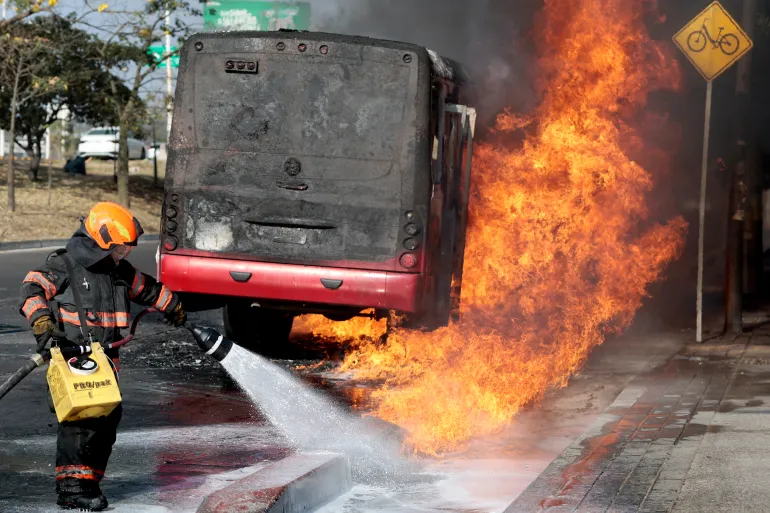
On February 22, Mexican special forces finally located El Mencho in Tapalpa, Jalisco. The operation was swift and lethal. Wounded during the firefight, the cartel leader died while being transported to Mexico City. But his death triggered an immediate and terrifying response—the cartel's "narcobloqueos" (narco-blockades) brought major cities to a standstill.
Cartel gunmen seized control of highways, set fire to vehicles, attacked petrol stations, and engaged security forces in running battles. In Guadalajara, Mexico's second-largest city, the streets emptied as residents barricaded themselves indoors. Schools closed. The international airport operated with skeleton crews. The message from the cartel was unmistakable: we can shut down your country at will.
🌍 Global Response: Travel Advisories Issued
All citizens advised to shelter in place and avoid travel
Trump's Shadow War
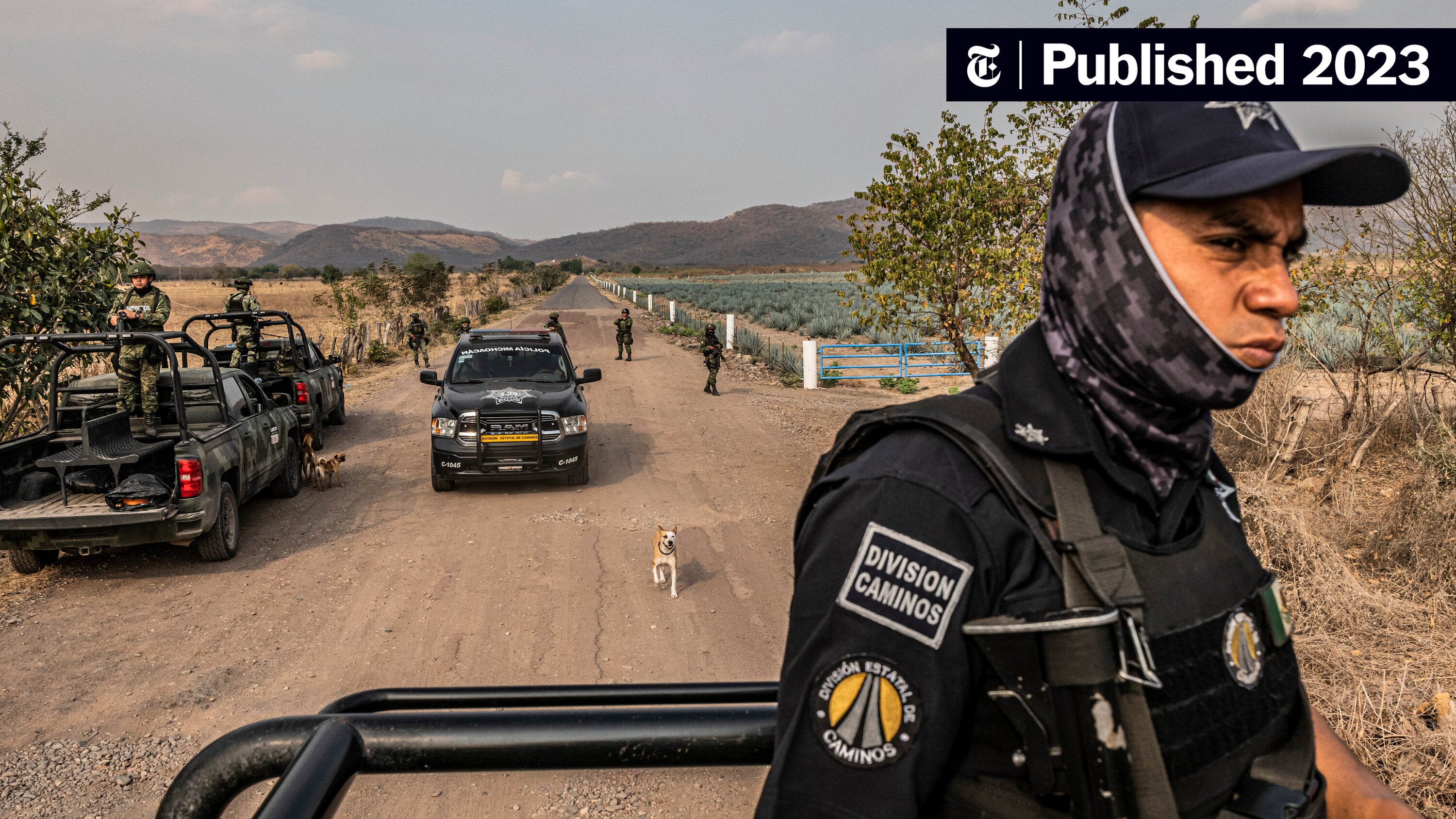
The operation that killed El Mencho didn't happen in a vacuum. According to White House Press Secretary Karoline Leavitt, American intelligence agencies provided critical information to Mexican forces, tracking the cartel leader's movements until the moment of the strike. President Trump, never one for subtlety, posted a cryptic message on Truth Social: "We're winning too much, it's just not fair!"
The message, characteristically Trumpian in its bravado, signals a broader strategy. The Trump administration has made clear that if Mexico cannot control its cartels, the United States will act—whether through intelligence support, economic pressure, or potentially direct military intervention. The killing of El Mencho represents a victory in this shadow war, but it's only one battle in a much larger conflict.
"This is the kind of action that is expected in our country many times—that if people like Dawood Ibrahim are got killed from India's side, then think how great a job that would be. Trump is getting that kind of work done."
The Parallel Government Exposed
Perhaps the most disturbing revelation from this crisis is the extent to which cartels have infiltrated Mexican institutions. When cartels can donate ₹25,000 crore to political campaigns, when they can field armies larger than the official military, when they can shut down cities at will—the line between criminal organization and government becomes dangerously blurred.
The cartels don't just fight the state—they replace the state in many regions. They provide employment, dispense justice (their version of it), and collect taxes. When someone opposes them, they don't just threaten—they hang bodies from overpasses as a public warning. The headlines from 2023, 2024, and earlier years tell a grim story of journalists, politicians, and ordinary citizens murdered for challenging cartel authority.
What Happens Now?
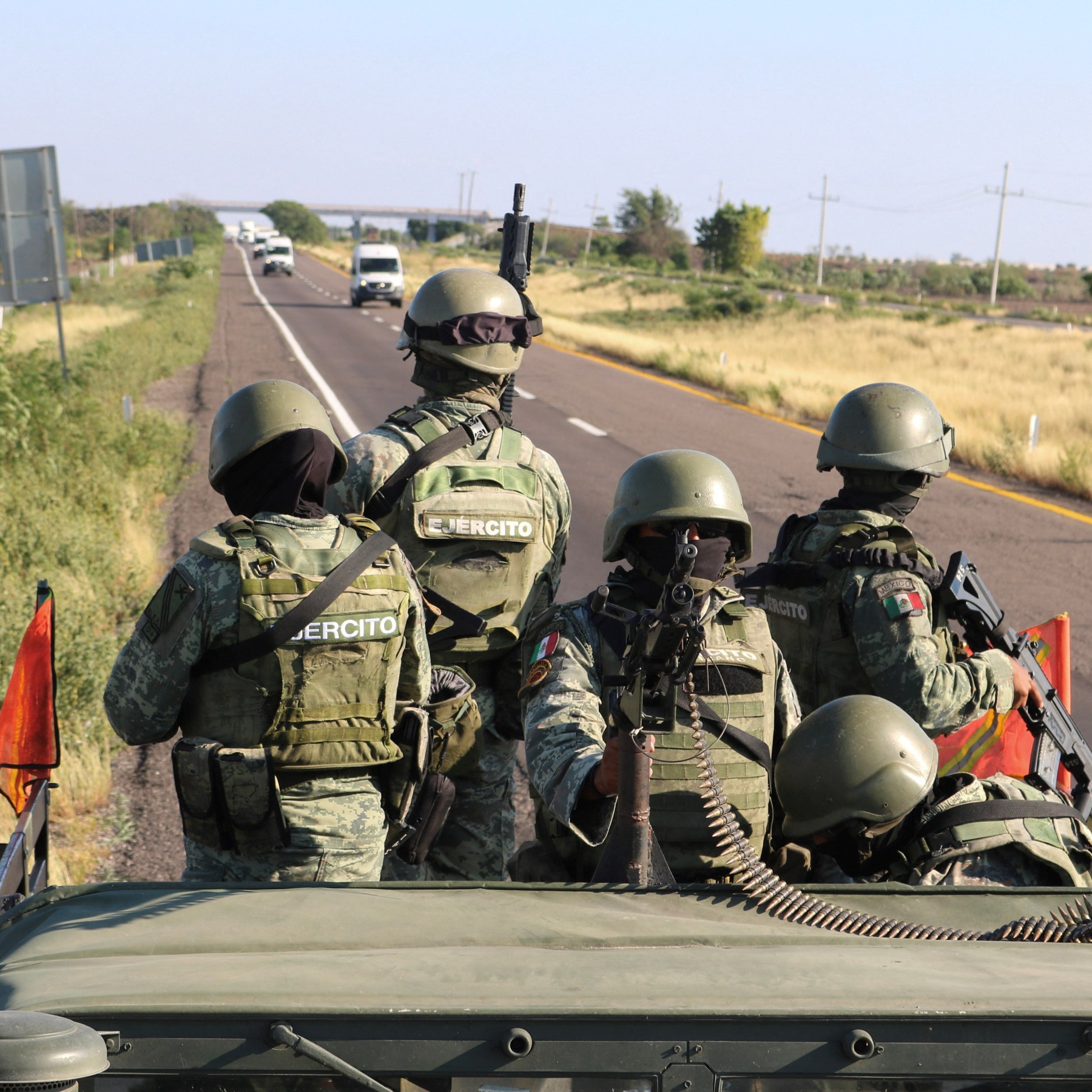
History offers a cautionary tale. When Mexican authorities arrested El Chapo's son in previous years, the resulting violence was so severe that the government was forced to release him—the alternative was watching Mexico burn. Today, El Mencho is dead, not captured. The cartel's response has been immediate and devastating.
Security analysts warn of a prolonged power struggle within the CJNG. If El Mencho's relatives seize control, the violence may continue as they seek revenge. If rival factions take over, they might choose to de-escalate and return to business. Either way, the Mexican government faces a stark reality: they have killed a king, but the kingdom remains.
⚠️ The Coming Weeks
With the FIFA World Cup scheduled to be hosted across Mexico, Canada, and the United States this year, the timing of this crisis couldn't be worse. Mexico City, one of the host cities, is under effective lockdown. The world will be watching to see if the Mexican state can reassert control—or if the cartels have demonstrated that they, not the government, hold ultimate power.
For the international community, the lesson is clear: when criminal organizations amass billions in resources, field private armies, and capture political institutions, they cease to be mere gangs. They become state-level threats requiring state-level responses. The killing of El Mencho is a victory, but in Mexico's long war against the cartels, victories are often temporary—and the peace that follows is fragile at best.