
INTERNATIONAL
"We Are Finishing It": Pentagon Sets Long-Term Strategy for Iran Conflict Amid Global Nuclear Anxiety
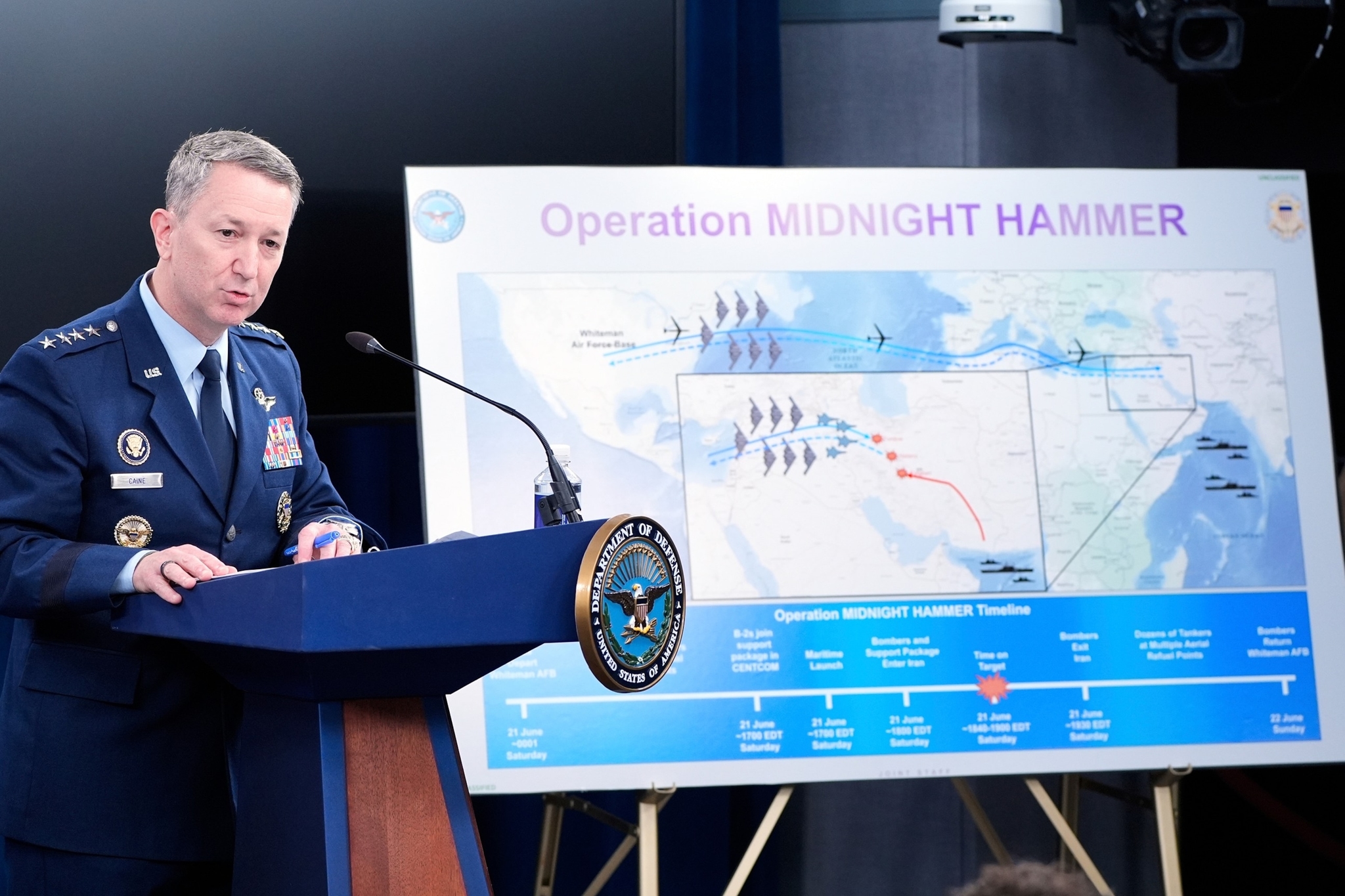
"We Are Finishing It": Pentagon Sets Long-Term Strategy for Iran Conflict Amid Global Nuclear Anxiety
Following a high-stakes Pentagon briefing, the U.S. leadership has signaled that while the objective is a definitive end to the Iranian threat, the timeline for victory remains extended—complicating an already fragile regional succession and nuclear standoff.
Key Takeaway: Secretary of Defense Pete Hegseth has framed the current strikes as the "finish" to a long-standing conflict, yet top military brass warns that achieving total war goals will "take time." This prolonged timeframe heightens the Middle East radiation risk and complicates the Khamenei succession currently underway in Tehran.
In a definitive shift of military posture, the Pentagon has characterized the ongoing strikes against the Islamic Republic not as a skirmish, but as the final chapter of a decades-long confrontation. Speaking at a briefing on March 2, 2026, Secretary of Defense Pete Hegseth stated bluntly: “We didn’t start this war, but under President Trump, we’re finishing it.”
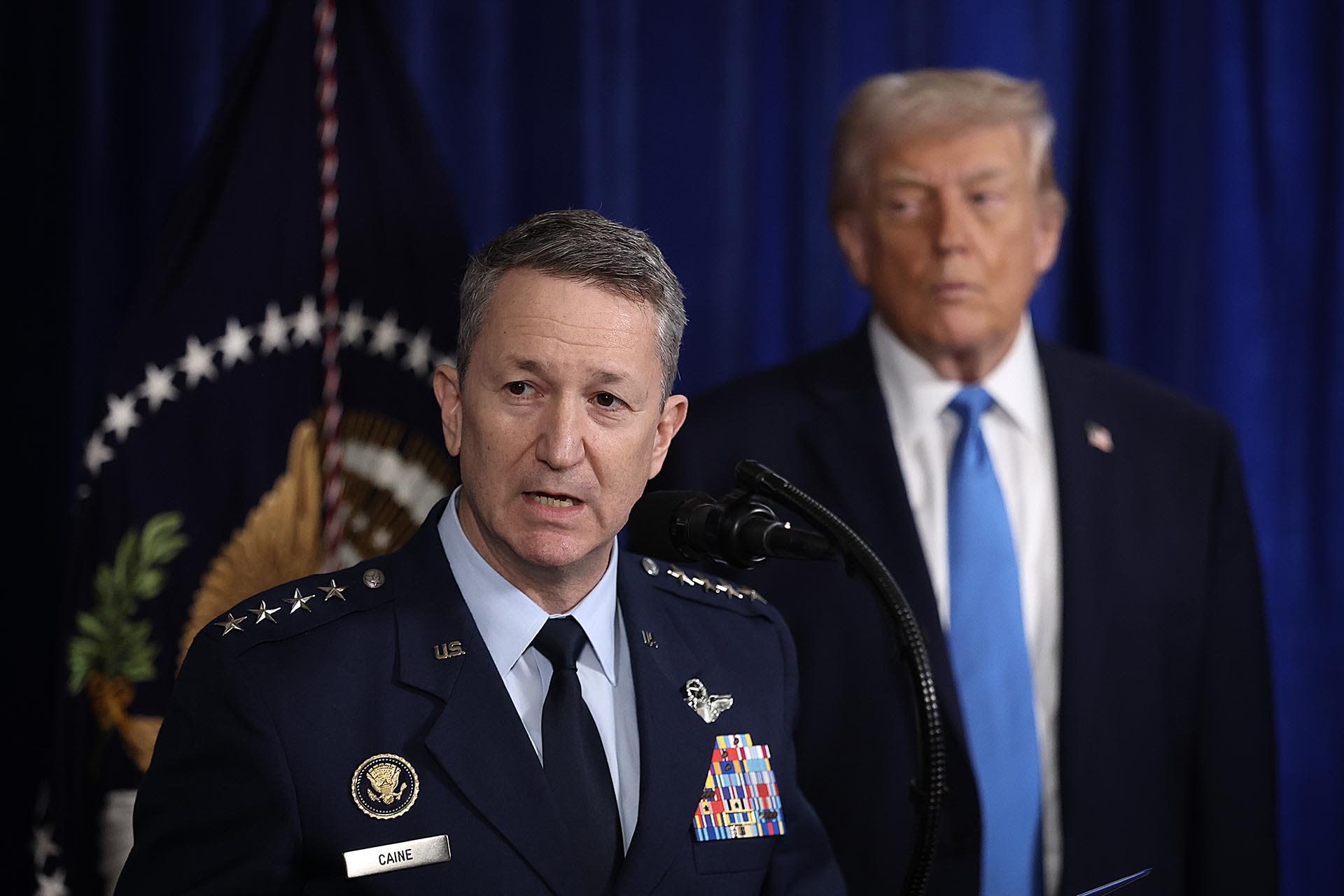
However, this rhetoric of a "finish" is being balanced by a sober tactical reality. The Chairman of the Joint Chiefs, General Caine, cautioned that the dismantling of Iran’s sophisticated military and proxy networks is not an overnight task. The divergence between political resolve and military duration is now the central pivot of the 2026 crisis.

The Hegseth Doctrine: Finishing the Fight
Secretary Hegseth’s briefing signaled an end to the era of "strategic patience." By framing the current military campaign as a concluding act, the administration is signaling to both allies and adversaries that the U.S. is committed to a fundamental change in the regional order. This stance comes at a time when India-Iran relations are under extreme duress, as New Delhi attempts to balance its strategic investments in the Chabahar Port against the reality of a collapsing regime in Tehran.
The "finishing" narrative is also designed to impact the Khamenei succession crisis. By maintaining constant military pressure, the U.S. aims to influence the internal dynamics of the Assembly of Experts, potentially delegitimizing hardline candidates who advocate for continued confrontation.
The Tactical Timeline: Why it "Takes Time"
Despite the aggressive rhetoric, General Caine emphasized that achieving specific war goals—such as the total neutralization of Iran nuclear sites—remains a complex endeavor. The 2026 conflict is not merely about air superiority; it is about the systematic degradation of deeply buried infrastructure.
Analysts point to the IAEA Natanz report 2026 as evidence of why this process is slow. The Natanz facility, fortified and buried deep within the mountains, requires repeated, precision operations to disable. Any rushed attempt to "finish" the job could inadvertently trigger a Middle East radiation risk, a catastrophe the Pentagon is reportedly desperate to avoid while still achieving its objectives.
Synthesis: A Controlled Conflagration
The Pentagon's briefing reveals a strategy of "controlled conflagration." The U.S. is essentially betting that it can maintain a high-intensity conflict long enough to force a regime collapse or a total capitulation of the nuclear program, without tipping the region into a total humanitarian or radiological disaster.
As the world watches the smoke rise over Tehran, the duality of the American message is clear: the end is coming, but the path to get there will be paved with calculated, deliberate steps. For global powers like India and oversight bodies like the IAEA, the challenge now is to navigate the "time" General Caine speaks of—a period where every day of delay brings both the hope of a new Iran and the danger of a wider disaster.