
CRICKET
The Usman Tariq Controversy: Why Cricket's 15-Degree Rule is Failing the Game
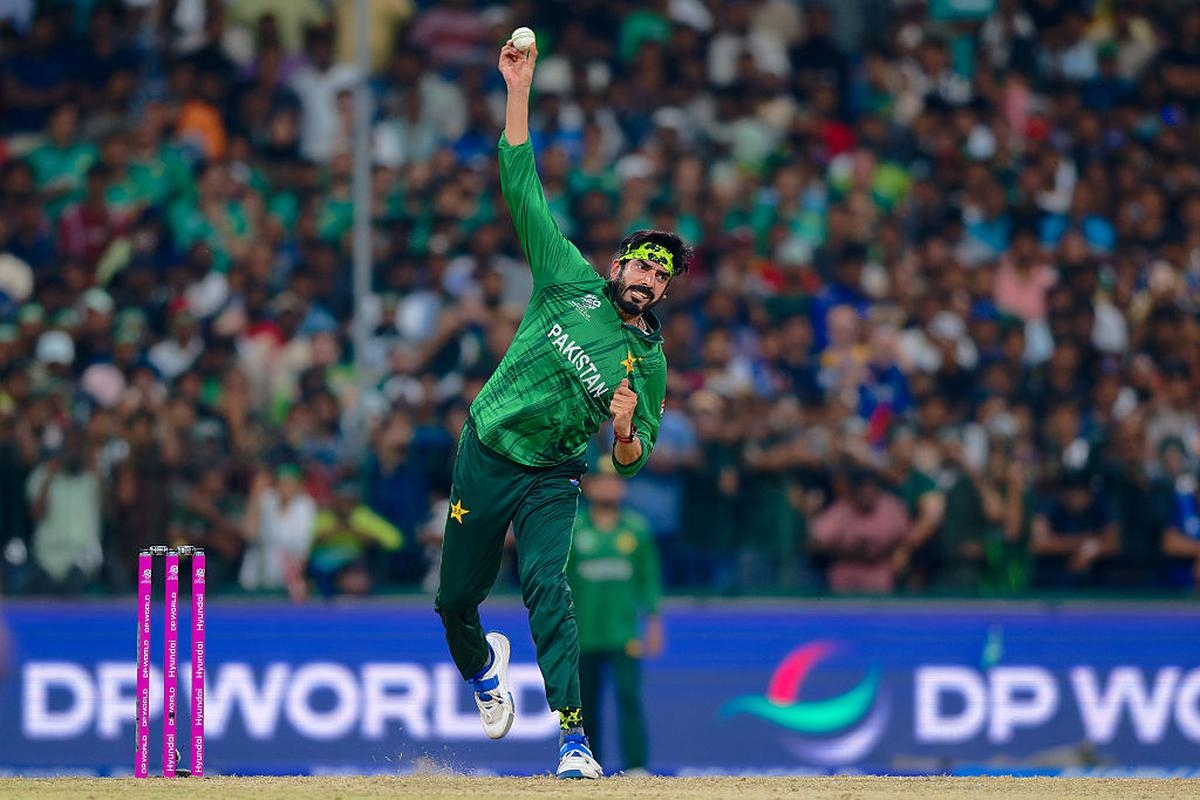
The Usman Tariq Controversy: Why Cricket's 15-Degree Rule is Failing the Game
Pakistan's mystery spinner has reignited the debate around illegal bowling actions, real-time testing, and the need for urgent reform in cricket's governance
🔑 Key Highlights
- 15-degree rule allows elbow extension beyond what naked eye can detect
- Usman Tariq has been reported twice for suspect action in domestic cricket
- Real-time testing absence allows bowlers to pass lab tests but revert under match pressure
- Full sleeves obscure visibility for on-field umpires
- ICC accredited centers in Brisbane, Cardiff and Chennai handle testing
When Pakistan's Usman Tariq delivered that fateful over to Cameron Green during the T20 World Cup, social media erupted. Screenshots circulated. Slow-motion videos went viral. Cricket fans and experts alike questioned what they were witnessing—a legitimate delivery or an illegal throw? The controversy surrounding Tariq's bowling action has once again exposed the gaping holes in cricket's approach to monitoring illegal bowling actions, raising serious questions about fairness, technology, and the very integrity of the sport.
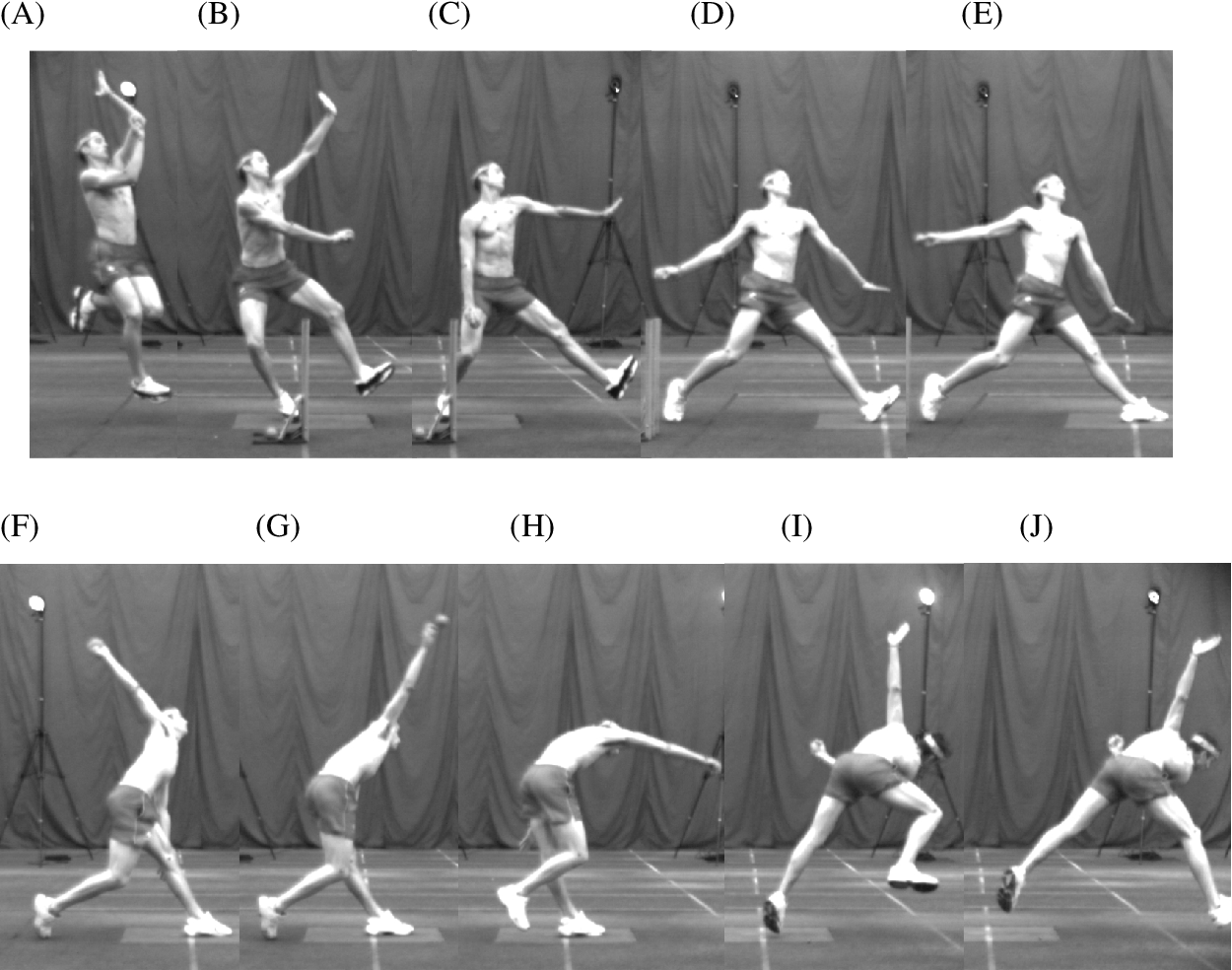
To understand why this matters, we must first grapple with the biomechanics of bowling. A legal delivery requires the bowler's arm to remain relatively straight during the delivery stride. However, the International Cricket Council (ICC) acknowledges that some natural flexion occurs. Since 2004, the governing body has permitted up to 15 degrees of elbow extension—a threshold chosen because research showed the human eye cannot reliably detect flexion below this angle.
The Anatomy of a Suspect Action
The distinction between a legal and illegal action hinges on one critical factor: straightening. A bowler may have a naturally bent elbow—that alone does not constitute an illegal action. The illegality emerges when that bent elbow straightens during delivery, creating a "catapult" effect that generates additional speed and spin through throwing rather than bowling.
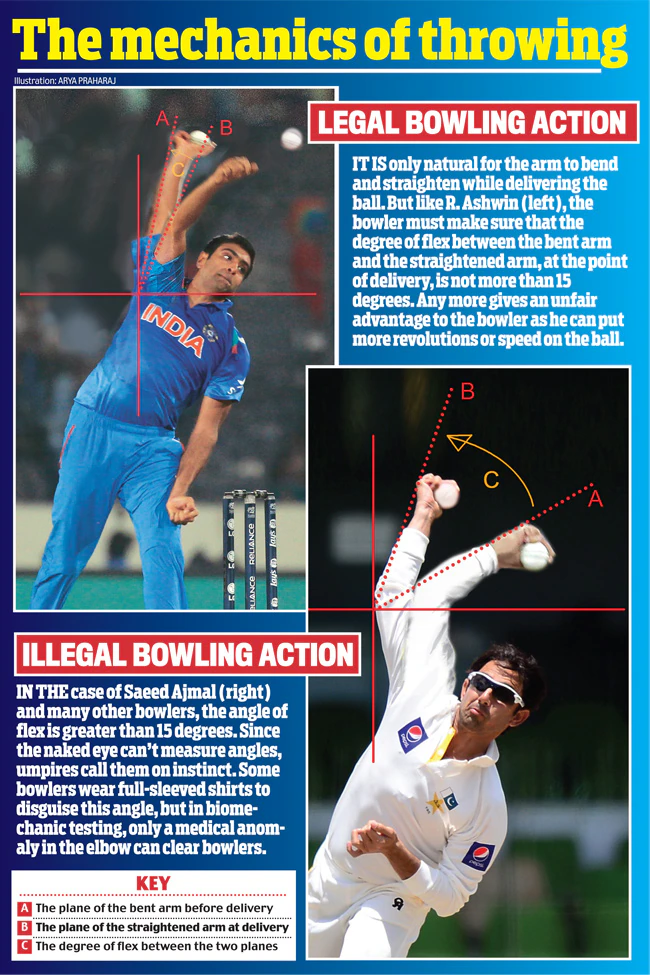
"The loading point is crucial," explains a biomechanics expert who has worked with ICC-accredited testing centers. "Every bowler loads with a bent elbow. The question is whether that elbow extends beyond 15 degrees during the delivery stride. If it straightens significantly, that's when you get the throwing action."
The 15-Degree Dilemma
The 15-degree rule was born from necessity. In the late 1990s and early 2000s, testing revealed that virtually all bowlers flex their elbows to some degree during delivery. Elite fast bowlers averaged 9 degrees of extension, with some recording between 10-15 degrees despite never having their actions questioned. The ICC's expert panel, comprising biomechanists from the Australian Institute of Sport and University of Western Australia, recommended the 15-degree threshold as a scientifically defensible compromise.
"Bowling actions that looked normal to the naked eye in many of the world's elite fast bowlers had, on average, 9 degrees of elbow extension during the bowling action. Some recorded elbow extension measuring between 10 and 15 degrees, yet none of these bowlers had ever had a problem regarding the legality of their bowling action."
— ICC Biomechanics Research, 2000-2003
However, this scientific accommodation created an unintended consequence. Umpires stopped calling bowlers on the field. Without technological assistance, distinguishing between 12 degrees and 18 degrees of elbow extension is impossible for the human eye. The result? A system where bowlers are reported, tested in laboratory conditions, and often cleared—only to return to their original actions under match pressure.
The Tariq Case: A Pattern of Concern
Usman Tariq's journey to international cricket has been anything but smooth. The 31-year-old leg-spinner has been reported twice for suspect bowling actions in Pakistan's premier domestic T20 competition. On both occasions, he underwent remedial work and returned to action—remarkably quickly, some would argue.
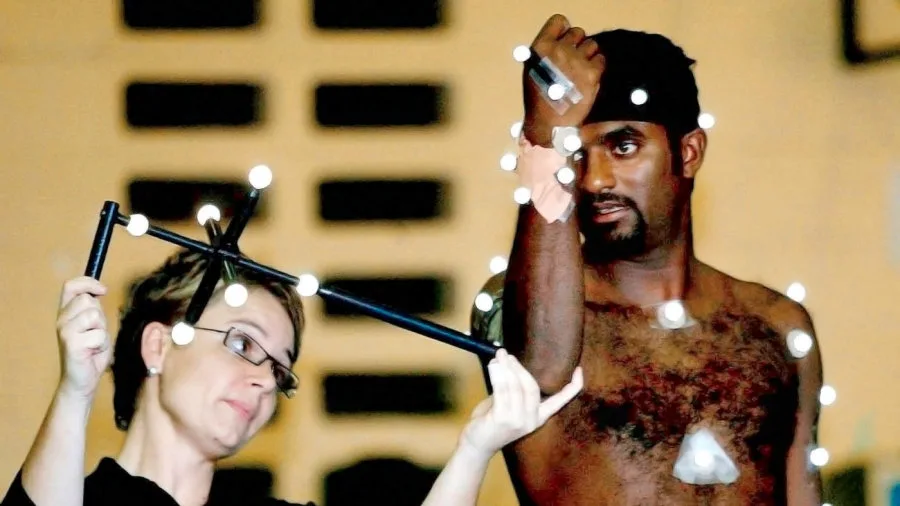
The problem, according to cricket insiders, is that laboratory testing and match conditions are entirely different environments. A bowler can consciously bowl with a legal action in a testing facility, knowing their career hangs in the balance. But under the pressure of a T20 World Cup final, with millions watching and the game on the line, muscle memory takes over. The bowler reverts to what comes naturally—the action they've used since childhood.
"Under pressure, how much ever you correct their actions, once their action is suspect and it is over 15 degrees, under pressure they will go back to their older methods because that is how they have trained," notes a former international bowler who has worked with young cricketers. "This actually needs to be weeded out very young because these two types of bowlers—those with legal actions and those with suspect actions—compete in an environment that's not balanced."
The Visibility Problem
Another layer of complexity obscures the issue literally: full sleeves. Almost all modern bowlers wear full-sleeved shirts, and the fabric can sag in ways that make it difficult for umpires to judge the elbow's position accurately. Despite this, umpires have reported suspect actions in recent IPL seasons and international matches—only to see bowlers return to action after brief remedial periods.
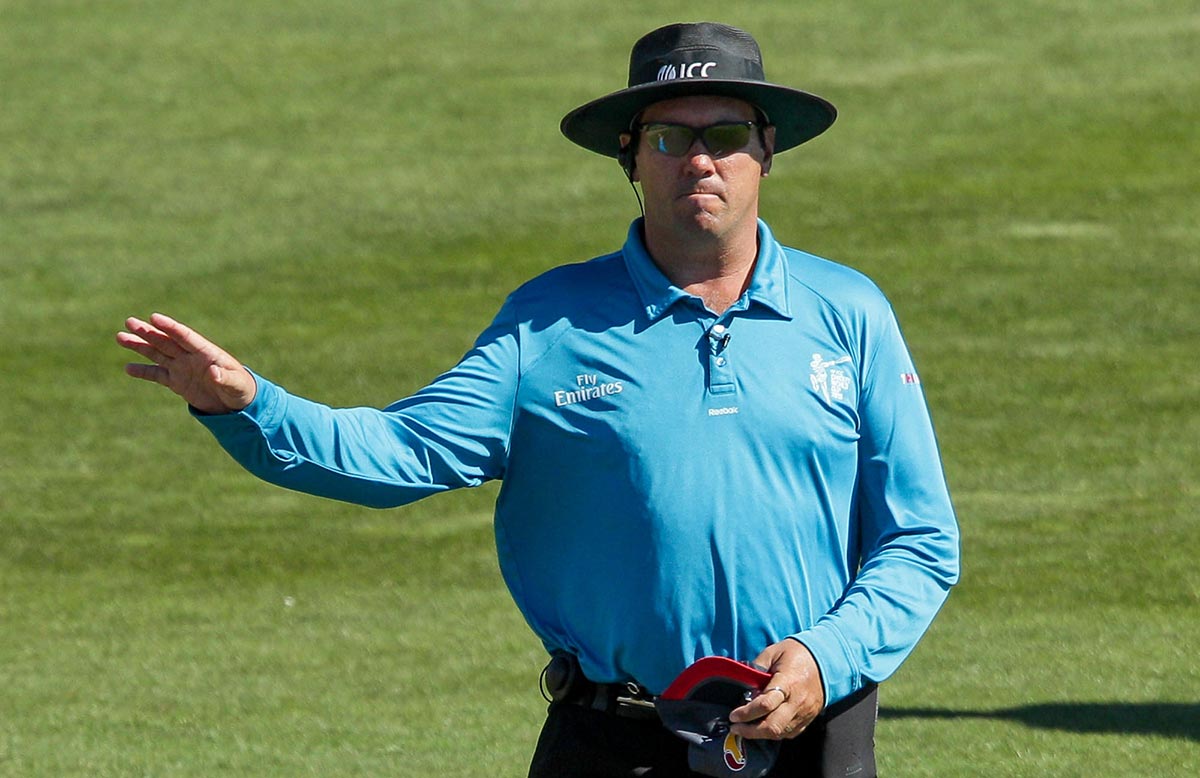
The current process is cumbersome. An umpire must report a suspect action to the match referee, who files paperwork. The bowler then has 21 days to visit an ICC-accredited testing center—currently located in Brisbane, Cardiff, and Chennai. Until the results arrive, the bowler can continue playing. If found illegal, they face suspension until they remediate their action and pass a reassessment.
Historical Precedents: The Warning Signs
Cricket's history with illegal actions is littered with cautionary tales. Saeed Ajmal, Pakistan's former mystery spinner, was banned in 2014 for exceeding the 15-degree limit. Despite remodelling his action, he never regained his former dominance. Muttiah Muralitharan faced repeated accusations throughout his career but was ultimately cleared due to a congenital elbow deformity that prevented him from straightening his arm fully.
⚠️ The Second Offense Rule
If a bowler is suspended a second time for an illegal action within two years, the suspension lasts a minimum of one year. They can only apply for reassessment after completing this period—a rule designed to ensure genuine remediation rather than temporary fixes.
The case of Matthew Kuhnemann, the Australian spinner, illustrates the system's inconsistencies. His action was cleared by the ICC's laboratory in Brisbane shortly before the World Cup, allowing him to participate. Yet questions persist about whether laboratory conditions accurately reflect match-day biomechanics.
The Pause Debate: Gamesmanship or Gamesmanship?
Beyond the elbow extension controversy, Tariq's bowling involves another polarizing element: the pause. He stops at the delivery crease, creating uncertainty for batsmen who must adjust their trigger movements and downswing timing. While some critics argue this constitutes unfair advantage, others view it as legitimate variation within the rules.
The distinction matters. When former Indian spinner Ravichandran Ashwin employed similar pauses during the Champions Trophy, he was eventually barred from doing so because his usual action differed from his paused delivery. But Tariq's case is different—he pauses before every delivery, making it his standard action rather than a variation.
"The bowler's creativity should be allowed to exploit every single part of that rule," argues a prominent cricket analyst. "If you pause, the batsman's downswing can change. His usual modus operandi has to be adjusted. Anything different at the delivery crease takes the batsman by surprise."
The Solution: Real-Time Testing
Most experts agree on one thing: the current system is inadequate. The solution lies in real-time testing during matches. Wearable sensor technology—IMUs (Inertial Measurement Units) attached to bowlers' arms—could provide instantaneous data on elbow extension angles. This technology, already used in training environments, could be adapted for match conditions.
"We live in a very advanced tech society," observes a former international cricketer turned commentator. "Surely we can find a device that will help us ascertain real-time game numbers. The bowler who's got a suspect action is most susceptible when he gets hit and is under duress. The following deliveries will have to be scrutinized very heavily."
Proposed reforms include:
- Mandatory sleeveless or short-sleeve bowling for reported bowlers to improve visibility
- Wearable sensor technology providing real-time elbow extension data
- Minimum one-year suspensions for illegal actions, with mandatory domestic cricket remediation
- ICC-only testing authority, removing private league testing centers from the process
The Stakes: Cricket's Integrity on the Line
The fundamental issue transcends any individual bowler. When children watch international cricket and see suspect actions going unpunished, they emulate what they see. Academy coaches report increasing difficulty convincing young bowlers to maintain legal actions when they perceive illegal actions providing competitive advantages at the highest level.
"If we need legalities of the action to jump in, the governing body needs to take a very stern action on it," insists a former Test cricketer. "No bowler can correct an action within a span of days or months and get back to playing. If an action is found to be suspect, the bowler must take a one-year hiatus at the very least, correct his action, play in domestic cricket, get the certification of approval slowly, step by step, before returning to international cricket."
For Usman Tariq, the immediate future remains uncertain. Without an official report from on-field umpires, he continues to bowl. Social media debates rage, but the only verdict that matters—the ICC's biomechanical assessment—remains pending. Until then, cricket faces an uncomfortable question: is the 15-degree rule protecting the game's integrity, or has it become a loophole that undermines fair competition?
The answer may determine not just Tariq's career, but the future of bowling in cricket.