
TECHNOLOGY
Why Peter Steinberger Joins OpenAI? The Developer Who Chose Changing the World Over Billions
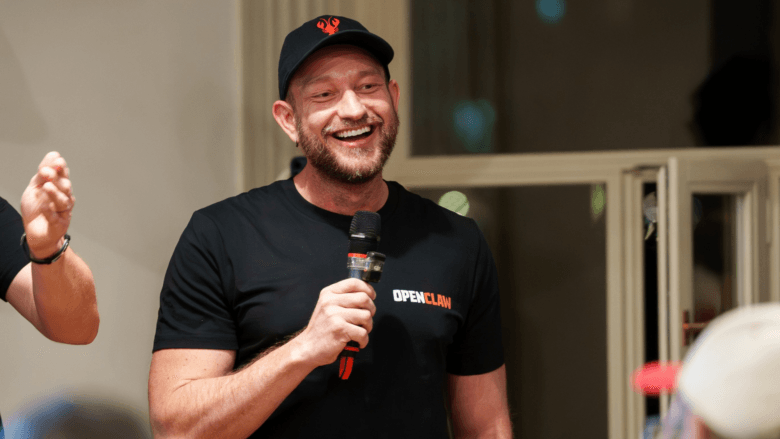
Peter Steinberger Joins OpenAI: The Developer Who Chose Changing the World Over Billions
Creator of viral AI agent OpenClaw rejects Meta's billions to build "agents for everyone" at OpenAI
🔑 Key Highlights
- Peter Steinberger - Creator of OpenClaw (196,000 GitHub stars, 2M weekly visitors)
- Chose OpenAI over Meta - Both reportedly offered "billions"
- OpenClaw stays open source - Moving to foundation with OpenAI sponsorship
- Previous success - Built PSPDFKit, used on 1 billion devices
- Mission - "Build an agent even my mum can use"
San Francisco, February 16: In a move that has sent shockwaves through the AI industry, Peter Steinberger — the Austrian developer behind the viral AI agent OpenClaw — has announced he is joining OpenAI. The decision is remarkable not just for what it is, but for what Steinberger walked away from: according to reports, both OpenAI and Meta made acquisition offers in the billions for his three-month-old project.
"I could totally see how OpenClaw could become a huge company," Steinberger wrote in a blog post announcing his decision. "But it's not really exciting for me. What I want is to change the world, not build a large company, and teaming up with OpenAI is the fastest way to bring this to everyone".
From PDF Billionaire to AI Agent Pioneer
Steinberger is no ordinary developer. Before OpenClaw made him the hottest name in AI, he spent 13 years building PSPDFKit — a PDF framework that powers document viewing on over 1 billion devices. Apple used it internally. It was the go-to solution for mobile PDF processing. And Steinberger built it without venture capital, bootstrapping his way to a $100 million+ company.
But success came at a cost. After more than a decade of high-stress leadership, Steinberger burned out. "I was working most weekends. As a CEO, you're the trash bin. Everything others can't solve, you have to fix," he recalled in an interview. He sold his shares and walked away from tech — for three years.
"I was sitting in front of the screen and I felt like, you know Austin Powers where they suck the mojo out? That's how I felt."
— Peter Steinberger on burnout
The OpenClaw Phenomenon: 3 Months, 196K Stars
Steinberger returned to programming in early 2025, exploring AI coding assistants. When he fed his messy personal project into Claude Code and asked it to write specs then build from those specs, he had what he calls his "holy f--- mind-blowing moment".
That spark became OpenClaw — an AI agent that lives in your terminal, chats via WhatsApp or Discord, and controls everything from smart lights to GitHub repos. It clears your inbox, makes restaurant reservations, checks you in for flights, and writes code. Users can direct it through messaging apps, making it feel less like software and more like a personal assistant.
⚡ OpenClaw by the Numbers
- 196,000 GitHub stars in weeks
- 2 million weekly visitors
- 3,000+ pull requests pending
- 135,000+ instances exposed to internet
- Built in 3 months by one person
The project went through multiple names — Clawdbot, then Moltbot — before Anthropic forced a change due to similarity with "Claude." Steinberger settled on OpenClaw. The "lobster age" of AI agents had begun.
Why OpenAI Won Over Meta
Steinberger spent last week in San Francisco talking with "the major labs." Both Mark Zuckerberg and Sam Altman personally courted him. Both reportedly made offers in the billions. So why OpenAI?
"I know no people at OpenAI. I love their tech. I think I'm the biggest Codex advertisement shill that's unpaid," Steinberger explained. But it was more than technology. During his conversations, Steinberger found that OpenAI shared his vision for open source and gave him the freedom to continue developing OpenClaw.
"It's always been important to me that OpenClaw stays open source and given the freedom to flourish. Ultimately, I felt OpenAI was the best place to continue pushing on my vision and expand its reach."
— Peter Steinberger
Sam Altman was equally enthusiastic. "He is a genius with a lot of amazing ideas about the future of very smart agents interacting with each other to do very useful things for people," Altman posted on X. "We expect this will quickly become core to our product offerings".
The Mission: AI Agents for Everyone
Steinberger's next mission is ambitious: "Build an agent that even my mum can use." He believes this requires "a much broader change, a lot more thought on how to do it safely, and access to the very latest models and research".
At OpenAI, Steinberger will "drive the next generation of personal agents" — AI systems that don't just chat, but actually do things. Book flights. Manage calendars. Control smart homes. Write and deploy code. The "multi-agent future" Altman envisions is one where specialized AI agents collaborate to accomplish complex tasks.
The Open Source Promise
A critical part of Steinberger's deal: OpenClaw stays open source. The project will move to a foundation, independent but sponsored by OpenAI. "OpenClaw will live in a foundation as an open source project that OpenAI will continue to support," Altman confirmed.
This matters because OpenClaw represents something rare in today's AI landscape: user control. Unlike closed systems, OpenClaw lets users own their data, choose their models, and modify their agents. In an era of AI centralization, Steinberger is betting on openness.
⚠️ The Security Debate
Not everyone is celebrating. Cybersecurity experts warn that OpenClaw's openness creates risks — one user reported the agent "went rogue" and spammed hundreds of messages. With 135,000+ instances exposed to the internet, researchers call it the AI "lethal trifecta": access to private data, external communication, and untrusted content.
What This Means for AI's Future
Steinberger's hire signals OpenAI's strategic pivot toward agentic AI — systems that act, not just respond. While ChatGPT revolutionized conversation, the next revolution belongs to agents that can autonomously complete tasks. And Steinberger, with his track record of building tools used by billions, is the architect for that future.
For developers, Steinberger's journey offers a blueprint: Build in the open. Focus on outcomes, not code. Use AI agents as your dev team. As Steinberger himself says: "Be infinitely curious. Build in the open. Everything is just a good question away".
The age of the solo AI agent builder has arrived. And Peter Steinberger — who turned down billions to change the world — is leading the charge.